Organizing a Road Safety Week in the Workplace with Virtual Reality
Organizing a Road Safety Week in the Workplace with Virtual Reality
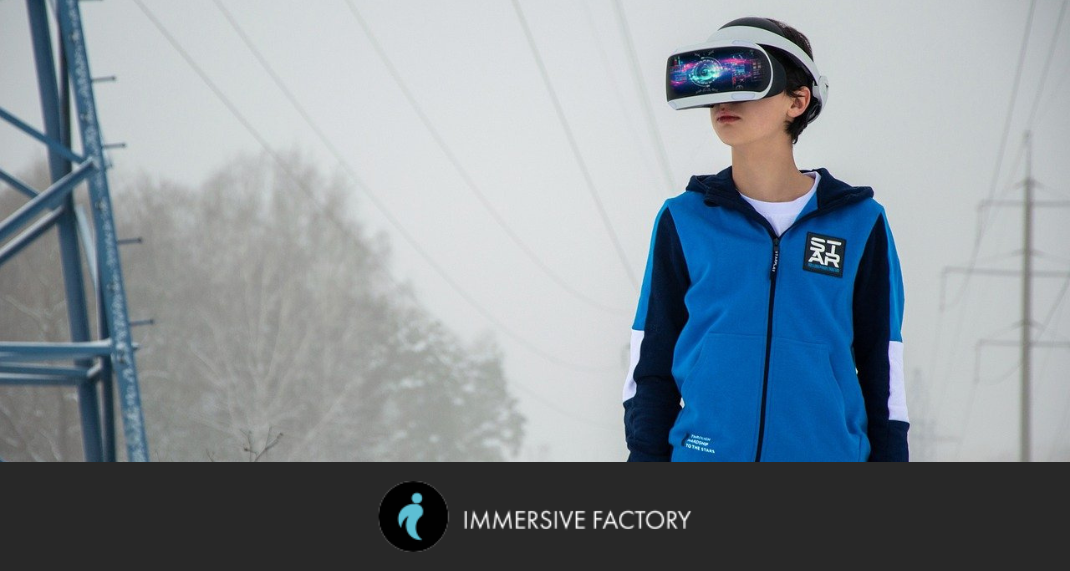
Guide to preparing a road safety week in the workplace.
Road safety in the workplace reduces the risk of work-related accidents and avoids productivity loss. Moreover, it strengthens employee confidence and preserves the company’s reputation. Therefore, implementing appropriate training is essential to raise awareness about the risks of road use. To help workers improve their driving skills while respecting road rules, integrate virtual reality into your learning programs. This technology offers multiple advantages for the company. So, how do you organize a road safety week in the workplace with this tool?
Advantages of Virtual Reality for Road Safety
The specific benefits of virtual reality for road safety training
Virtual reality has several strengths for road safety training:
- Immersion: Virtual reality immerses learners in 3D environments, allowing them to experience realistic driving;
- Interactivity: VR training programs are interactive and allow participants to make real-time decisions;
- Simulation of real situations: Virtual reality can recreate various road situations (road accidents, difficult weather conditions, distractions while driving...), enabling drivers to practice responding effectively in all circumstances;
- Repetition: Scenarios can be reproduced, helping learners perfect their skills;
- Safety: With this technology, employees can learn to drive safely. Mistakes are allowed in the training context.
Concrete examples of the effectiveness of virtual reality in learning good driving practices
Here are some concrete examples demonstrating the effectiveness of virtual reality in learning good driving practices:
Drunk driving training
Virtual reality can simulate the effects of alcohol consumption on driving ability. In this scenario, it reproduces situations where a driver reacts to an obstacle while under the influence of alcohol. Experiencing this helps them realize the danger of drunk driving.
Reducing risky behaviors
In road safety workshops, virtual reality can recreate scenarios where a driver is exposed to various risks, such as ignoring road safety rules and speeding. This raises awareness of the dangers associated with these hazardous behaviors and encourages safer driving.
Planning the Road Safety Week
Key steps to organize a road safety week in the workplace
Here are the key steps in organizing a road safety week in the workplace:
Defining the objectives
Determine the week's safety goals, like promoting responsible driving behaviors, reducing road accidents, or strengthening the road safety culture within the company.
Planning the activities
Create a detailed program specifying the various activities throughout the week: practical workshops, road risk awareness sessions, quizzes, etc.
Planning the resources
Ensure you have the necessary resources to implement the activities, such as simulation equipment and training rooms.
Internal communication
Inform employees about the upcoming event, stating its objectives and its importance for their safety.
Collaborating with external partners
To lead the training sessions, work with external partners like road safety experts, health professionals, and insurance companies.
Integrating Virtual Reality into the Training Program
Here’s the process to integrate virtual reality into the road safety training program:
Selecting the training modules
Choose training modules that ensure the most realistic immersion, such as road accident simulations.
Developing virtual scenarios
Create realistic and relevant virtual scenarios for your company’s training needs, possibly working with VR content developers.
Organizing the training sessions
Schedule training sessions where employees can access virtual driving simulators, allowing them to train effectively.
Preparing the trainers
Trainersmust be properly educated in using the technology to guide learners through immersive exercises.
Running Virtual Reality Activities
Different types of virtual reality activities to be offered
During the road safety week in the workplace, you can offer various virtual reality activities:
Driving simulations
These allow employees to drive in realistic virtual environments. They can learn emergency braking, lane changing, and intersection management.
Reflex tests
Reflex tests teach participants to respond quickly in emergency road situations (sudden stops, sharp braking...).
Risk awareness
Risk awareness activities can include scenarios highlighting the dangers of aggressive behavior, driving under the influence, or distractions while driving.
Defensive driving training
Virtual reality can simulate defensive driving situations like unexpected road cuts and lane changes, teaching employees to react appropriately to avoid accidents.
Tips for Successful Implementation of Virtual Reality Sessions
To successfully implement virtual reality sessions, it’s advisable to divide participants into several groups, ensuring an immersive and interactive experience. This also makes it easier for trainers to guide them. Moreover, ensure all equipment is working before starting the workshops. Don't hesitate to perform tests if necessary. Finally, establish performance tracking systems to record drivers’ actions and assess their skills, providing personalized feedback.
Evaluating and Monitoring the Results
Methods to evaluate the effectiveness of virtual reality training
Employers can measure the effectiveness of virtual reality training in several ways:
- Satisfaction surveys: These should be clear and easy to fill out to gather useful feedback and insights, helping to determine the training’s strengths and weaknesses;
- Performance analysis: Essential for identifying areas for improvement;
- Knowledge tests: These assess employees' progress.
Importance of Post-Training Follow-Up to Measure the Long-Term Impact on Driving Behaviors
Post-training follow-up is crucial to determine how well employees retain the skills acquired during workshops. It also allows monitoring changes in driving behavior during professional trips. Finally, it is useful for collecting data to optimize the effectiveness of future training sessions.
Organize an Effective and Memorable Road Safety Week with the Expertise of Immersive Factory
To organize a road safety week in your company, trust the team at Immersive Factory. We specialize in virtual reality training. With our expertise, you will provide your employees with a customized, effective, and memorable learning experience. Moreover, you will create a strong road safety culture within your company.

Written by Aurélie Tavernier
Marketing and Communications Manager at Immersive Factory
She became interested in raising awareness of health and safety at work, convinced that an approach tailored to employees can transform the safety culture and reinforce shared vigilance. Her ambition: to encourage all companies, whatever their size, to invest actively in health and safety prevention for the well-being of their employees.
Share
Related articles
How Dervaux Is Reinventing Its Safety Day with Virtual Reality
Discover how Dervaux boosts its Safety Day using Immersive Factory's virtual reality: an engaging and interactive hazard hunt.
When Virtual Reality Revolutionizes Safety at IMV Technologies
Safety is even better when you truly feel like you're there! With this modern and impactful approach, an intense safety awareness day took place for the teams at IMV Technologies.To make a lasting impression and anchor preventi...
Safety in Public Works: Virtual Immersion Driving Prevention at Aubron Mechineau
A few weeks ago, the teams at Aubron Mechineau took a key step forward in their risk prevention approach. For an innovative safety day, the company chose to leverage virtual reality to raise awareness among employees about the ...