Safety in the Food Industry: A Major Issue
Safety in the Food Industry: A Major Issue
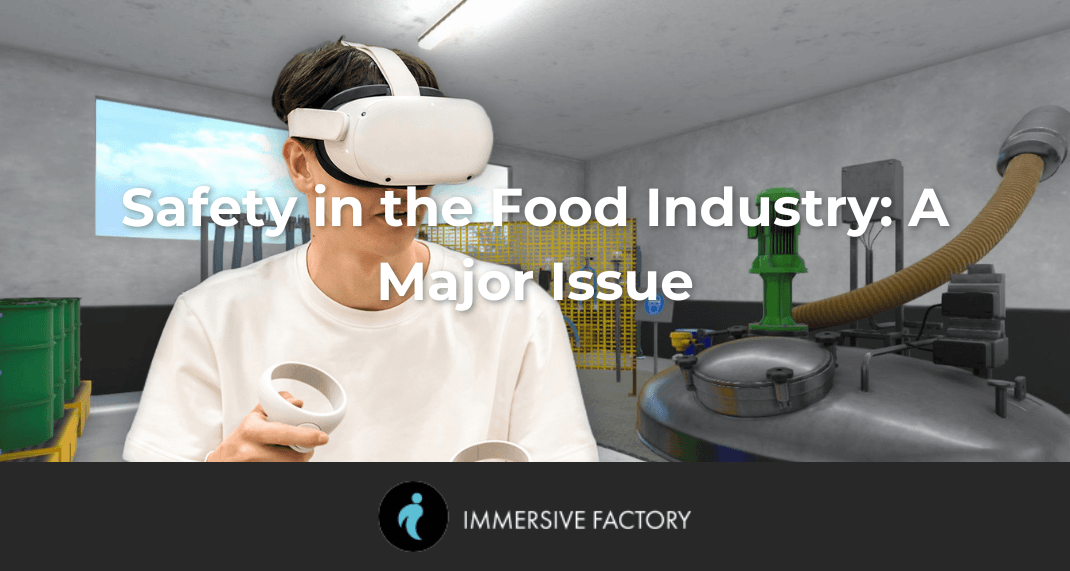
Safety in the food industry is a crucial priority to ensure product quality and protect both consumers and workers. It encompasses several key aspects, including hygiene, food handling, and accident prevention.
Hygiene-Related Issues
Food Contamination
Food can be contaminated by various pathogens, such as bacteria (Salmonella, Listeria), viruses, parasites, or chemical substances. Contamination can occur at any stage of the production chain, from processing to distribution.
Poor Food Handling
Improper food handling, such as failure to maintain appropriate storage temperatures or using unsuitable utensils, can promote germ proliferation and degrade product quality.
Lack of Hygiene in Facilities and Equipment
Poorly maintained facilities can be a potential source of contamination. Implementing strict cleaning and disinfection protocols is essential to ensure the cleanliness of equipment and work surfaces.
Food Handling: A Key Factor in Safety
Adherence to Good Hygiene Practices
Following hygiene rules is crucial:
- Regular hand washing
- Wearing gloves and protective clothing
- Using clean utensils
Temperature Control
Maintaining appropriate storage and cooking temperatures is vital to prevent microorganism growth. Food must be stored at suitable temperatures (positive cold, negative cold) and cooked at critical thresholds to eliminate pathogens.
Prevention of Cross-Contamination
Strict separation of raw and cooked foods is essential to prevent cross-contamination. Separate storage areas and appropriate handling help minimize these risks.
Accident Prevention: A Must
Machine Safety
The use of food industry machines carries significant risks. Regular maintenance and proper employee training help mitigate these dangers.
Chemical Hazards
Some cleaning or preservation products can be hazardous to health. Using personal protective equipment (PPE) and following safety protocols are crucial.
Employee Training
Training in safety regulations and best practices is a key factor in reducing accident risks and improving prevention.
An Immersive Training Approach for Enhanced Safety
For an effective and innovative approach, Immersive Factory offers virtual reality training that allows learners to practice in realistic environments. These trainings cover various topics, such as:
- Working at heights
- Confined spaces
- Handling hazardous chemicals
- Fire safety
- Etc.
This interactive teaching method enables employees to develop their skills in an engaging and effective manner while receiving personalized feedback on their performance.
Conclusion
Safety in the food industry is a complex issue requiring a comprehensive approach that combines adherence to hygiene standards, proper handling practices, and accident prevention. Adopting immersive technologies like those from Immersive Factory helps strengthen safety culture and effectively train workers on the specific risks of their environment.
Investing in training and prevention ensures food quality, consumer protection, and employee safety.

Scritto da Aurélie Tavernier
Responsabile Marketing e Comunicazione presso Immersive Factory.
Appassionata di sensibilizzazione alla salute e sicurezza sul lavoro, convinta che un approccio adattato ai collaboratori possa trasformare la cultura della sicurezza e rafforzare la vigilanza condivisa. Il suo obiettivo: incoraggiare tutte le imprese, qualunque sia la loro dimensione, a impegnarsi attivamente nella prevenzione sanitaria e di sicurezza per il bene dei loro dipendenti.