Virtual Reality Headset: How Does Immersive Technology in Everyday Life?
Virtual Reality Headset: How Does Immersive Technology in Everyday Life?
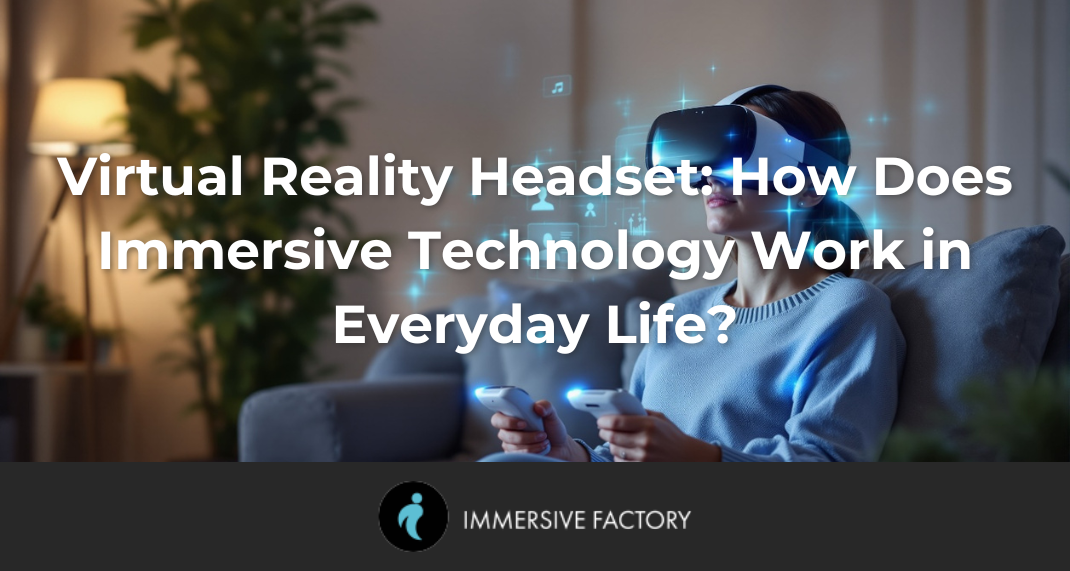
How does a virtual reality headset work on a daily basis?
In brief: VR is inviting itself in, without warning
- Immersion is no longer a passive experience: one headset, and it’s the promise of an "elsewhere" projected at full speed, somewhere between simulation and perfect illusion, where touching and interacting become mandatory.
- The tech, that demanding magician: a high-resolution screen, precision-tuned lenses, sharp sensors, clever controllers—the magic forgives no detail... the slightest lag and the journey stops dead.
- Training is being upended, everything is reinvented: learning without a net, without danger, starting over, diving in, starting over again—VR disrupts old reflexes, mistakes become trial runs, and memory—ah, memory—finally locks it in.
Here is the great technological spectacle landing right in the middle of the living room, settling into the open-plan office, or embedding itself in the teenager's room. We used to chuckle at the idea of a neighbor wearing a virtual reality headset; today, it's hard to do without these digital leaps. The user dives in, breaks free from the couch's borders, and suddenly, the projected image explodes in stereoscopic 3D, the whole room flips into the virtual. It's no longer about watching; you have to interact, dive in, opt for immersive training, and explore. Gestures matter, vision plays tricks, and sensation joins in: a projected space reinvents the dimension of possibility.
Passive consumption is now impossible. This comfortable headset catches the eye, invites the hand, and unleashes movement—a way of truly opening the door to the immersive experience. Learning surgery without a scalpel, or hunting for pixels in the starry darkness... Everything is now just a question of visual field, field of view, of the brain's reaction to visual fiction. We want to laugh, learn, challenge ourselves, or just escape: virtual reality always works, surprises, and shakes things up. Who's complaining? Hardly anyone, in the end. We also advise you to learn about the safety day.
The Fundamental Principle of the VR Headset: How Does It Transport You Elsewhere?
Diving headfirst into the virtual dimension is quite a challenge. The simple effect of a screen placed a few centimeters from the eye, the use of sensors, an accelerometer, and a gyroscope, all compose this ballet of precise movements, of stunning head tracking. As soon as the headset is on, the illusion works. The use of stereoscopic images (two slightly offset images, one for each eye) creates perfect depth of field. The brain buys it. Just like that, reality fades, and the digital world emerges. Sometimes you sweat for real, but you believe it, you panic, you get worked up... and that, right there, is the magic.
The Mechanics of Successful Immersion: When Tech Makes All the Difference
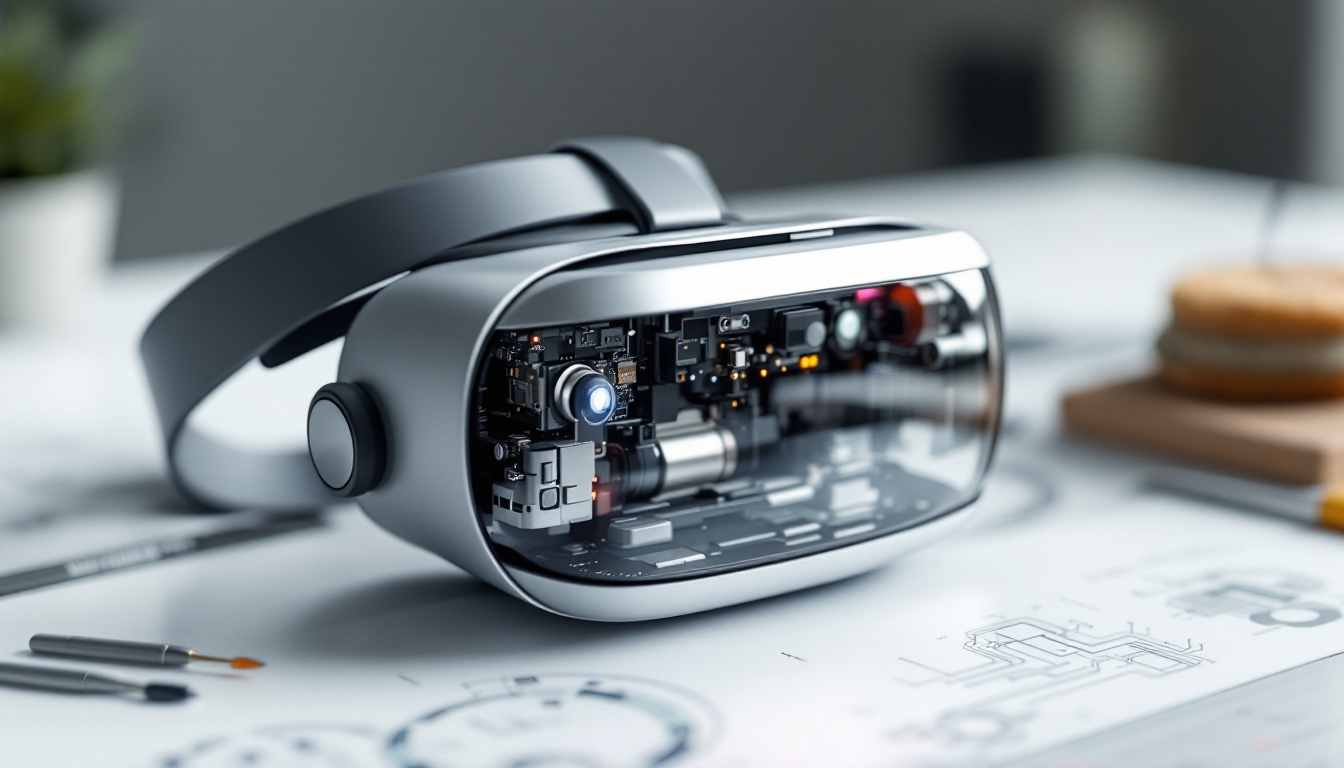
The secret of the system: a miniature high-resolution screen, often OLED or LCD, equipped with a high refresh rate. Never less than 90 frames per second, or watch out for migraines! Fresnel or aspherical lenses, carefully adjusted (IPD adjustment required), widen the angle, projecting the image in ultra-realistic binocular vision. Add a visual field plunged into darkness, a few integrated sensors to track head or body movement, and there you have it: the user is drawn into the projected space.
Spatialized audio, the second magic wand. A noise to the right, a whisper to the left, everything is there to enhance the feeling of presence. The controllers, true virtual hands, add the final touch. You move, the virtual world follows. The sense of immersion takes root: video games, simulation, training, or pure exploration... nothing is missing from the party.
Types of VR Headsets in 2025: The Offer Expands, Selection Explodes
A headset for everyone: casual users want autonomy (standalone), pros rush to wired power, the curious slide their smartphone into a shell. The technology adapts, and uses dictate the function: gaming on an HTC Vive, Discovery experiences on Google Cardboard, daily life transformed with a standalone Meta Quest. The advertised viewing angle becomes a comparison criterion, as do resolution or the ability to add accessories to guarantee the best immersive experience. The technical jargon flows: motion sensor, hand tracking, visual field, graphic quality... The mission is not to get lost.
VR Deconstructed: Under the Hood, a Mechanism Far More Complex Than It Seems
A headset doesn't look like much. Yet, each piece acts as an architect of escapism.
The Miniature Screen: The Haute Couture of the Pixel
Pixel, pixel, always that word: in a virtual reality headset, every point of light ensures the 3D effect. High resolution for vision, flawless fluidity to avoid nausea and fatigue. The sharper the image, the better the immersion works. A good device measures its impact by the player's ability to forget they are wearing technology on their nose.
Lenses and Vision: Adjust, Readjust, Find the Perfect Zone
Poorly adjusted lens? Blurry vision guaranteed, the feeling of playing while short-sighted. The IPD position must be personalized; each eye demands its own zone of sharpness. All comfort hinges on this quick adjustment, a matter of seconds and a lot of patience for a very real effect.
Motion Sensors: Bringing the Projection to Life
The accelerometer, the gyroscope—these two talk to the computer or console with every head rotation. A simple tilt, a small shift, and the view follows. Virtual reality functions at the speed of the slightest gesture. The user becomes an actor in the projected environment, just like that.
Controllers and Accessories: The Experience Becomes Total
Haptic gloves, treadmills, advanced audio systems: today, there are real devices to simulate touch, movement, and force feedback. A simple video game becomes a total immersive experience, guaranteed novelty, perfect immersion.
Professional Training and Virtual Reality: Buzz or a Real Turning Point?
Business, health, safety—everyone is using it. We're no longer talking about a gadget, but a tool that changes actions and memory. Interaction, presence, and the field of view all contribute to the learning process. The learner makes mistakes, starts over, avoids real-world dangers, and often ends up believing they are on a real industrial site. Engagement explodes; the experience of the virtual environment leaves a lasting mark.
The testimonials pile up: reduced stress, improved muscle memory, the ability to learn by doing, an end to the fear of failure—all of this, projected onto the field of training.
Obviously, the initial cost makes a few people wince. Investing in the technology, the software, the updates, the onboarding for each new user—all of this sometimes becomes the real challenge. But once launched, it's hard to stop. Everyone wants to try it; everyone embraces the real-world dimension of applied virtuality.
First Steps: Where to Start When Gearing Up?
Target a use case, choose adapted hardware, test, deploy gradually. Changing the training culture means accepting the loss of familiar reference points and then the renewal. Little by little, a routine sets in; discussions shift to the "best vision," "greatest immersion," or the most suitable "type of headset."
Practical Questions in Use: Answers for the Cautious
Installation and Hardware: Make Sure to Configure Everything
Standalone headset? Quick setup, a Wi-Fi connection, and the adventure begins. Tethered to a PC? You need a robust computer, a fast graphics card, and endless patience for the cables. A model for smartphones? Install, slide, enjoy. As is often the case, the longest part is waiting for the latest update before playing.
Choosing a Headset: Rational or Passionate?
Don't bother looking for the ideal headset: it doesn't exist. Some prioritize lightness, others the best resolution, lens comfort, system autonomy, or the number of accessories. The price is often the deciding factor, but the function determines everything: gaming, pro training, 360 video, freedom of movement—everything has its own headset, and sometimes its own audience. One piece of advice often comes up: read reviews, compare, discuss, and then test, as soon as possible.
Best Practices: Enjoy It Without Regret the Next Day
- Maintain the lenses: that microfiber cloth forgotten in a drawer can save the view for a session.
- Avoid exposing the headset to sunlight; some unfortunate testers remember this well.
- Limit the duration; sleeping after an overly long total immersion can hold some visual surprises.
Daring to stop in time means preserving the pleasure for next time. Beginners would be wise to opt for a peaceful setting before trying roller coasters or virtual adrenaline shots.
Get Informed, Save Time, Spare Your Nerves
RoadtoVR, UploadVR, a few specialized YouTube channels—they offer comparisons, smart tips, and feedback on every type of headset. The sites list the differences: battery life, sensors, integrated ports, accessories, refresh rate, screen resolution, comfort, preferred software... Don't panic: adopting the vocabulary of virtual reality is just a matter of time and repeated immersions.
And there you have it, virtual reality is nibbling at daily life, inviting itself into training, modifying the perception of reality, and transporting the user out of the ordinary. It's no longer really an accessory for geeks, but a new digital environment. Never has routine seemed so full of disruptions and adventures within reach, eyes wide open and goggles fixed to the forehead.
Immersive Factory and Digital Learning, Without the Slide Shuffling
There's digital learning, there are old dusty PowerPoints, and then there's Immersive Factory, the thing that suddenly shifts training to the living side. You put on a VR headset, boom—no more boring theory. You find yourself walking through virtual warehouses, thwarting risks, failing (and starting over—who hasn't dreamed of falling into a trench without getting hurt?).
We're talking about experience, repeated gestures, memory that sticks—not a rushed multiple-choice quiz. Training or video game? Both, and frankly, it stays in your head for a long time. The future of training, or just the present we've been waiting for.

Scritto da Aurélie Tavernier
Marketing and Communications Manager at Immersive Factory
She became interested in raising awareness of health and safety at work, convinced that an approach tailored to employees can transform the safety culture and reinforce shared vigilance. Her ambition: to encourage all companies, whatever their size, to invest actively in health and safety prevention for the well-being of their employees.
Condividere
Da leggere anche

ISO 45001 Standard and HSE Audits: How Virtual Reality Secures Your Traceability
Prepare for your occupational health and safety audits with virtual reality. Discover how VR ensures the traceability of your HSE training.
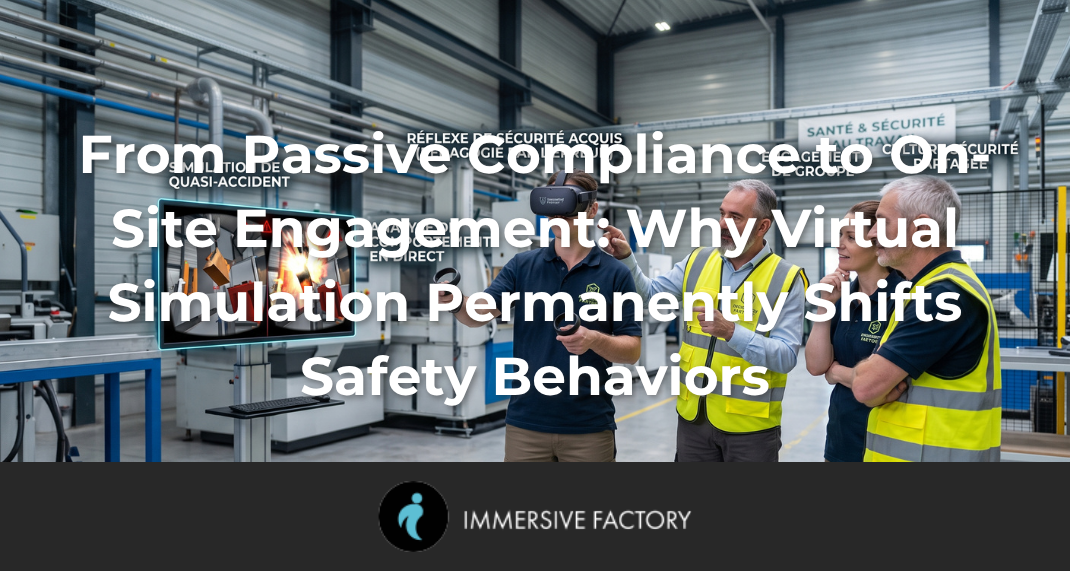
From Passive Compliance to On-Site Engagement: Why Virtual Simulation Permanently Shifts Safety Behaviors
Discover how VR shifts safety culture in industrial workplaces. Explore error-based learning, emotional risk awareness, and interactive safety talks.
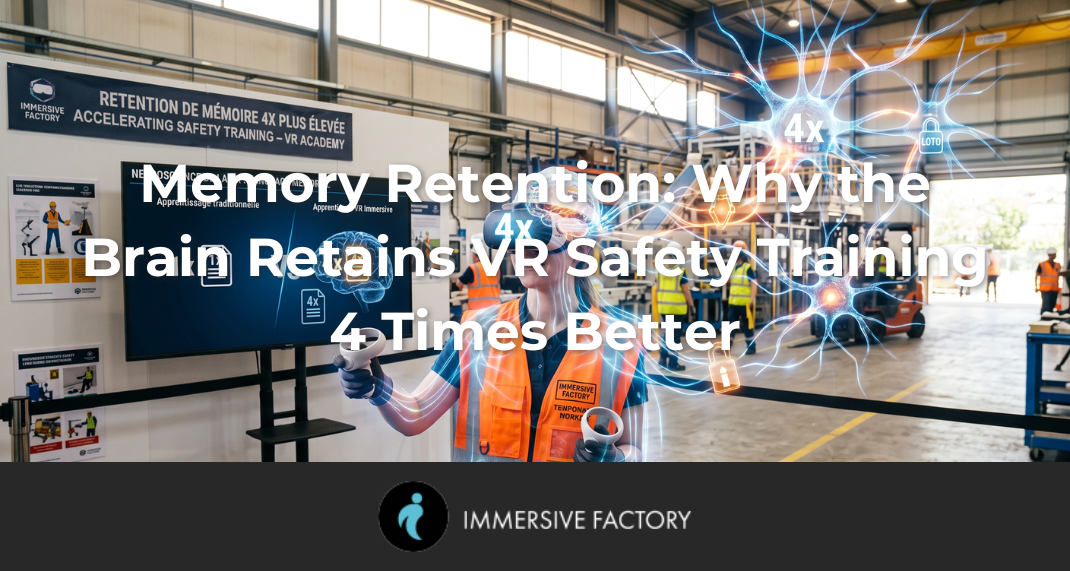
Memory Retention: Why the Brain Retains VR Safety Training 4 Times Better
Discover the neuroscience behind virtual reality: why memory retention and experiential learning make VR safety training up to 4 times more effective.