The Influence of Virtual Reality on Learning
The Influence of Virtual Reality on Learning
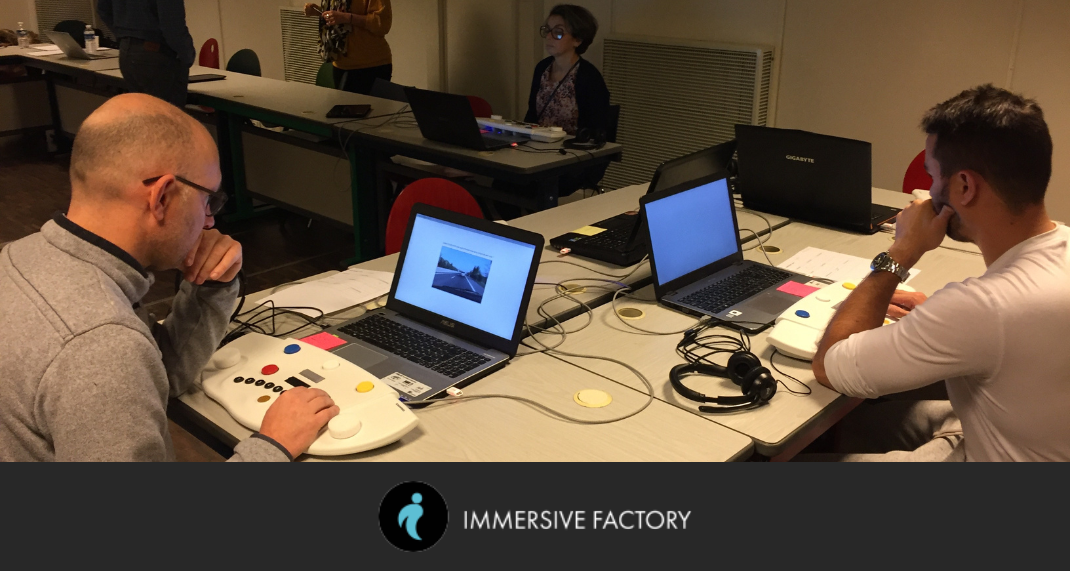
As part of our most recent Research and Development project on driving simulations, we've studied the learning differences between using a screen and Virtual Reality (VR). This project was carried out in collaboration with MAIF.
The concept of risk prevention isn't new. The educational methods and messages employed to encourage drivers to adopt safer driving behaviors have more or less stayed the same: teaching, demonstration, prohibition, punishment. However, for some individuals, these measures prove ineffective, and they only acknowledge their own experience. For instance, they think, "So far, everything has gone well, I haven't had any problems," or "That was scary, I will never do that again."
Premise
Virtual reality enables the creation of a situational and sensory experience, albeit in a different reality. This opens up a new realm of possibilities. Technical tools are becoming accessible, and risk prevention solutions exist, especially within the professional context.
The goal of this project was to compare, for a given driving simulator, whether using a VR headset was more effective than a 2D screen in influencing user behavior. In practice, the simulator exposes users to the use of a mobile phone while driving, increasing the risk of an accident. To prevent any feelings of denial after the accident experience, the simulator provides a series of tips on the dangers of using the phone while driving.
Experimental Protocol
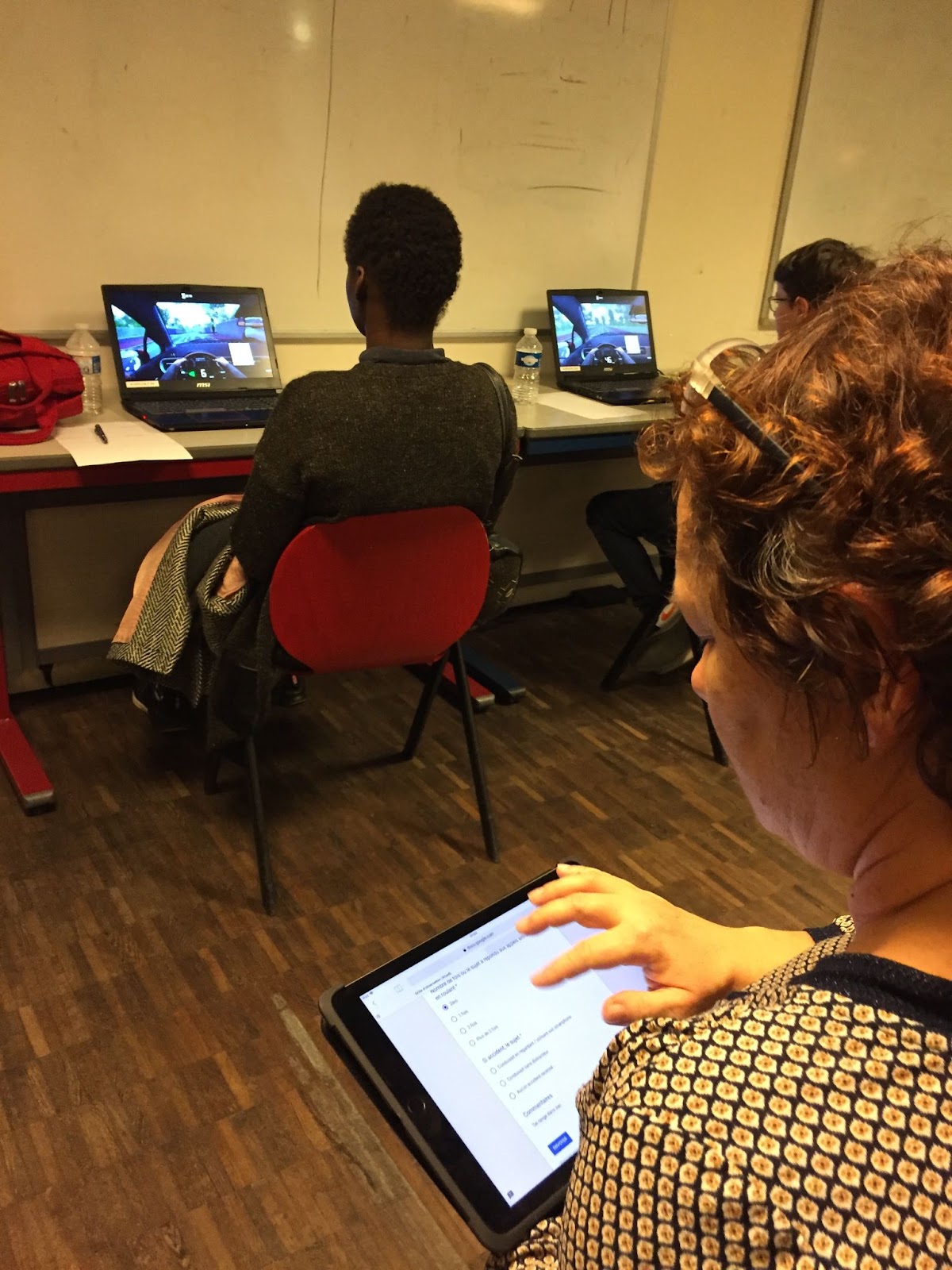
In the context of this comparative study, 223 drivers from the Hauts-de-France region were invited to fill out a series of questionnaires about their habits, personalities, and views on the dangers of using the phone while driving.
The next step involved evaluating these individuals' driving behavior by placing them in risky driving situations: overtaking on a road with limited visibility, deciding whether or not to let pedestrians or a rapidly approaching vehicle pass, and so on. This evaluation was carried out using the WRBTV Vienna tests by Schuhfried, which are a benchmark in this area.
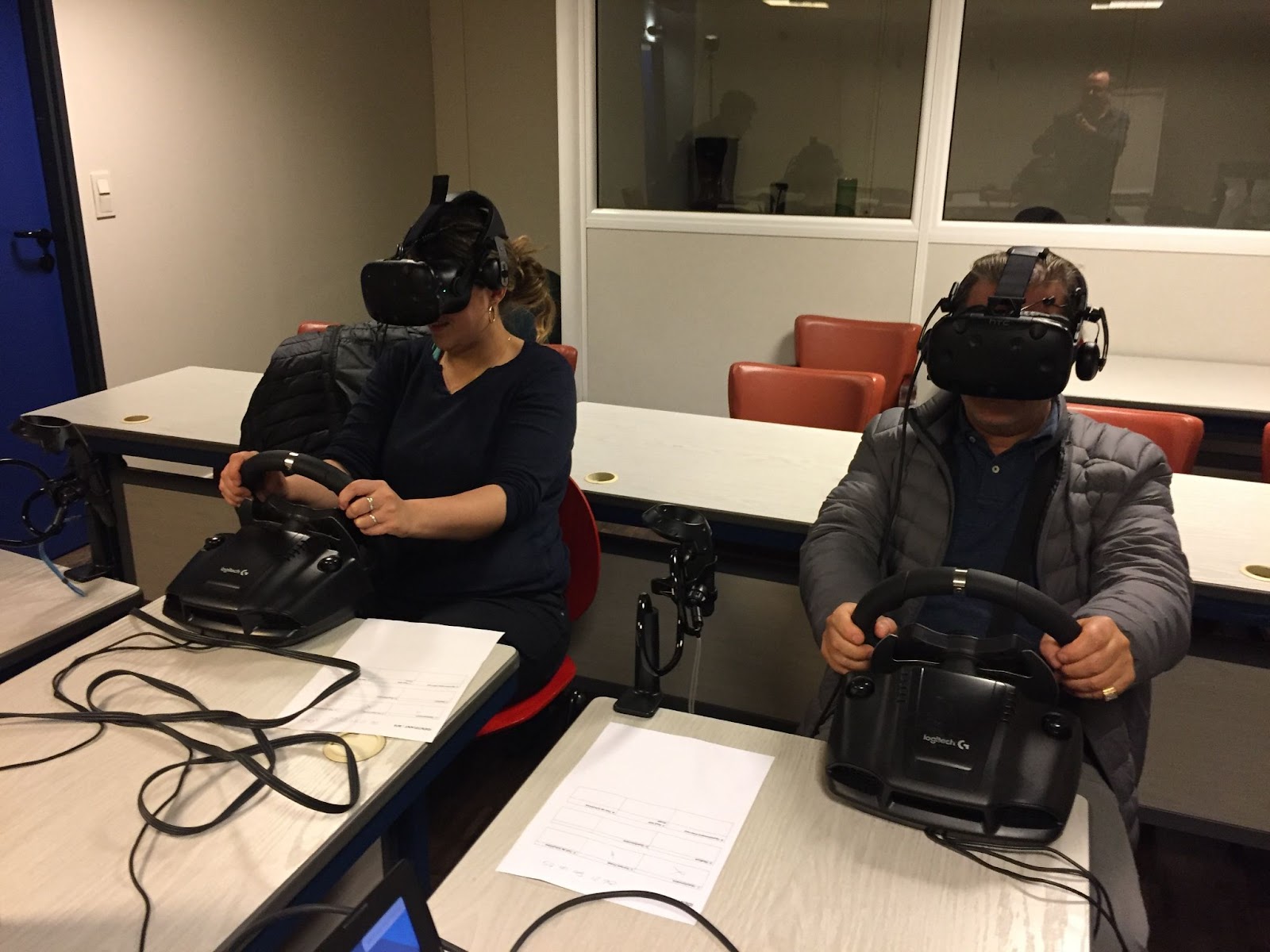
Once these tests were completed, the participants had access to the driving simulator and had the option, depending on the group, to experience it via a2D screen, a VR headset, or both. Following this experience, the participants immediately filled out two questionnaires to share their impressions and their newfound awareness of the dangers of using the phone while driving.
Finally, between 3 and 8 months after this session, 110 participants filled out questionnaires to determine whether they remembered this experience and if their behaviors had changed. This is a crucial step, as for sustainable prevention, behaviors must change beyond the initial intention, which is often positive, both due to the direct message received and to conform to an expected "social norm." To verify this, a new series of WRBTV Vienna tests by Schuhfried was offered to participants.
This project took place between October 2021 and June 2022. The VR modality was greatly appreciated by the participants, especially for its surprising and playful side. We thank them for their help with our research, as well as the Universities of Lille (Lilliad, INSPE) and Valenciennes (UPHF, BU, INSA, LARSH - DeVISU) that hosted us to conduct the experiments. We were delighted to collaborate with the MAIF Foundation on this project and look forward to presenting our future Research & Development projects.

Scritto da Aurélie Tavernier
Marketing and Communications Manager at Immersive Factory
She became interested in raising awareness of health and safety at work, convinced that an approach tailored to employees can transform the safety culture and reinforce shared vigilance. Her ambition: to encourage all companies, whatever their size, to invest actively in health and safety prevention for the well-being of their employees.
Condividere
Da leggere anche
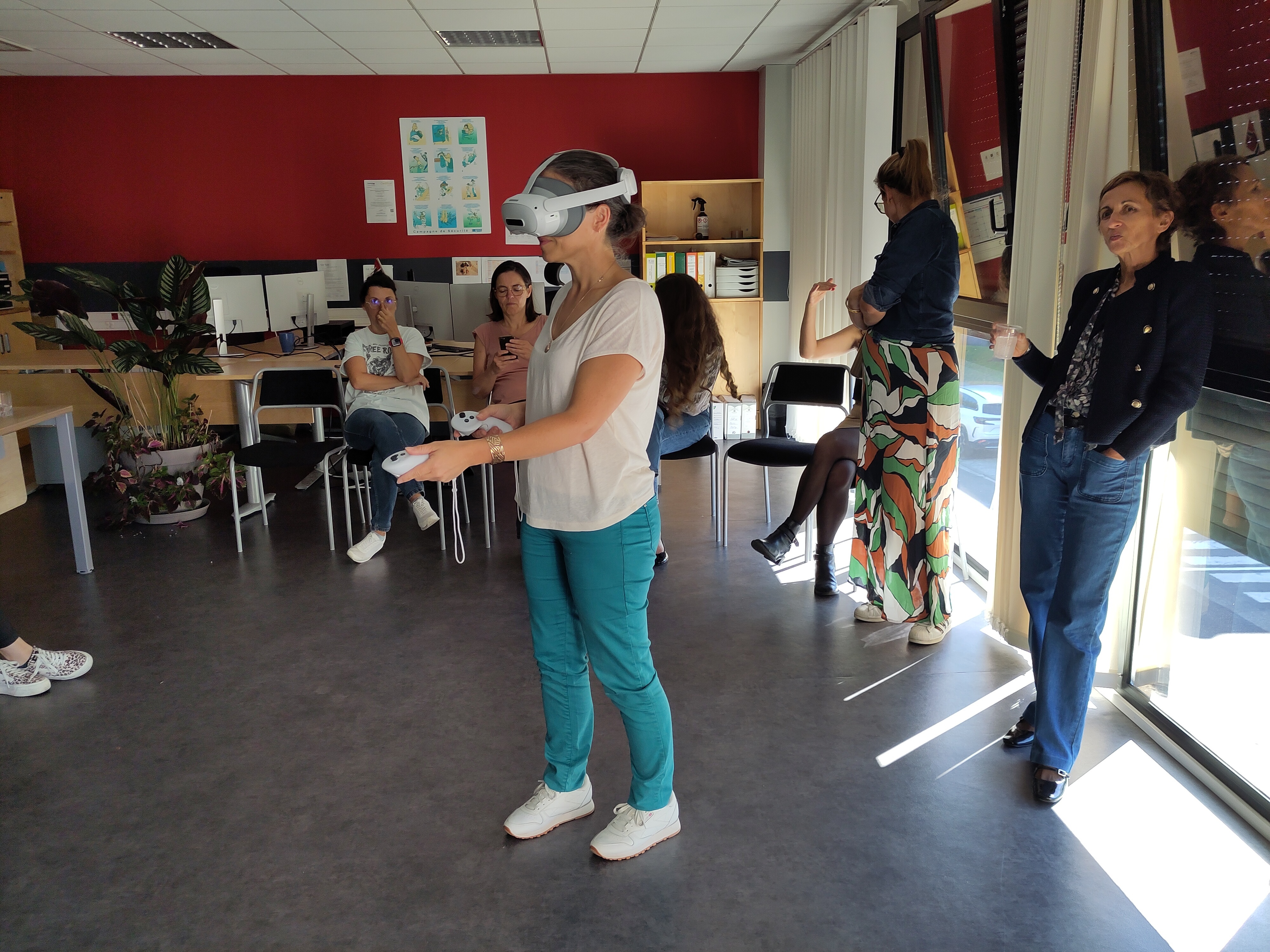
Industrial Risks: When Virtual Reality Prepares Citizens for Emergencies
When the alert siren sounds, do you really know what to do? In an emergency, stress often overrides theory. Yet, when facing industrial risks, knowing the right reflexes saves lives. This is why Immersive Factory is proud ...
Generative AI and VR at the Service of Customer Relations
Transforming Soft Skills training through ultra-realistic immersive simulations driven by Artificial Intelligence.The Challenge: Reinventing Behavioral TrainingCustomer relations professions require complex psychosocial skills ...

Training soft skills using immersive tools in service professions
On Tuesday, November 25, the closing ceremony of the Résonance – osons l’innovation en Hauts-de-France event, organized by C2RP Hauts-de-France, was held in Saint-Omer.We are pleased to announce that the RVRC 4.0 project receiv...