Risk Prevention in Construction: Ensuring Safety on Worksites
Risk Prevention in Construction: Ensuring Safety on Worksites
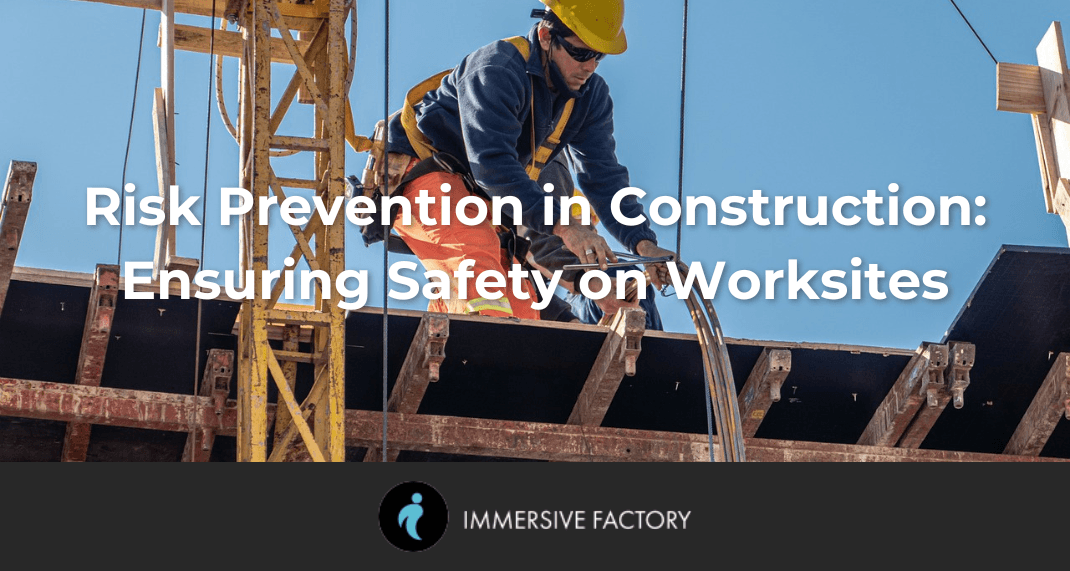
Risk prevention in construction ensures safety on worksites.
Falls from heights, noise, collisions, vibrations... there are numerous health and safety risks on a construction site. To prevent these hazards and provide a secure work environment for workers, it's important to take a proactive approach to safety. This not only ensures compliance with regulations but also improves operational efficiency and protects the company’s reputation. So, what exactly does construction risk prevention entail? Discover the essentials in this practical guide.
Identifying Major Risks on Construction Sites
Falls from Heights, Crushing Hazards, and Electrical Dangers
Among the major risks on construction sites, the following are prominent:
- Falls from heights: These often result from the lack of personal protective equipment or the use of faulty equipment. Falls from heights can cause injuries, fractures, and trauma.
- Crushing hazards: These are often caused by bypassing safety measures in place.
- Electrical dangers: Accidents can occur during electrical work, such as electrocution, electric shocks, and burns.
Risk prevention in construction is essential to minimize these occupational hazards.
Methods for Risk Assessment on Construction Sites
Risk assessment on a construction site is conducted using various methods. The first involves taking stock of the company’s situation by listing work scenarios and associated risks. Then, inspections and a job hazard analysis must be performed to identify dangers before starting work. Don’t forget to classify risks based on their severity and frequency to facilitate the implementation of construction risk prevention measures.
Implementing Appropriate Preventive Measures
Personal and Collective Protective Equipment
According to the Labor Code, the employer is required to provide employees with personal and collective protective equipment to perform their tasks safely. Mandatory PPE in the construction sector includes work gloves, protective glasses, safety shoes, ear protection, hard hats, protective clothing, fall protection, and respiratory protection.
Additionally, several collective protective measures should be implemented, such as guardrails, safety markings, anti-fall nets, mobile fire extinguishers, and non-slip mats.
Procedures to Reduce Risks and Improve Safety
To reduce site risks and improve worker safety, various procedures should be implemented. In addition to the obligation to wear personal protective equipment, the employer must train and raise awareness among workers about the risks associated with their work. Similarly, they must appoint a site manager capable of effectively supervising the team. This means ensuring the proper application of safety instructions to minimize workplace accidents.
Training Workers on Safety Best Practices
The Importance of Regular and Appropriate Training
To ensure that employees understand and correctly apply safety best practices, it is recommended to offer them regular and appropriate training. Indeed, companies in the construction and public works sector often perform dangerous tasks that require genuine expertise. If workers know the correct procedures and actions to take, they will be able to avoid risks.
Using Immersive Technologies for Realistic Scenarios
Immersive technologies, such as virtual reality, allow for the creation of realistic scenarios on a construction site. They enable workers to experience different situations and train to handle dangers. In addition to enhancing engagement during training, immersive technologies provide comprehensive feedback after each session and reinforce actions through repetition. They offer nothing but benefits for construction risk prevention.
Monitoring and Tracking Preventive Measures
Regular Inspections on Worksites
To ensure the effectiveness and relevance of construction risk prevention measures, regular inspections should be conducted. Not only do these inspections help identify new risks, but they also show workers that their workplace is regularly assessed to maximize their safety and well-being. This will strengthen their sense of belonging.
Safety Audits and Continuous Improvement of Protocols
Safety audits are a tool for managing occupational risks in construction. They are used to identify safety threats and highlight workplace layout issues. In addition to detecting dangers before they occur, the audit is used to check whether previous prevention actions are still relevant to the actual situation on the ground. If not, updates will need to be made.
The Benefits of Immersive Solutions in Construction Risk Prevention
Immersive Simulations to Prepare Teams for Dangerous Situations
Immersive solutions, like those offered by Immersive Factory, are highly beneficial for preparing teams for dangerous situations. They allow workers to train in a realistic and controlled virtual environment. Moreover, they offer a practical, engaging, and interactive learning experience that enhances the understanding of safety issues. Thus, they promote knowledge retention and best practices on construction sites.
Solutions Offered by Immersive Factory for Construction
AtImmersive Factory, we offer various immersive training solutions for construction companies. Our workshops can be customized according to your needs and goals. If you want to improve construction risk prevention, trust our team of experts to raise awareness among your employees about the risks and significantly reduce workplace accidents on your sites.

Scritto da Aurélie Tavernier
Responsabile Marketing e Comunicazione presso Immersive Factory.
Appassionata di sensibilizzazione alla salute e sicurezza sul lavoro, convinta che un approccio adattato ai collaboratori possa trasformare la cultura della sicurezza e rafforzare la vigilanza condivisa. Il suo obiettivo: incoraggiare tutte le imprese, qualunque sia la loro dimensione, a impegnarsi attivamente nella prevenzione sanitaria e di sicurezza per il bene dei loro dipendenti.