How to Promote Workplace Safety: Effective Strategies and Practices
How to Promote Workplace Safety: Effective Strategies and Practices
How to promote workplace safety: effective strategies.
Evaluating Safety Needs.
Risk Analysis and Specific Business Needs
Promoting workplace safety starts with a thorough analysis of the risks and specific needs of the business. A tailored approach helps identify high-risk areas and develop an adequate prevention strategy. Understanding tasks and work environments varies and should reflect the realities of each industry.
Identifying Weak Points and Risk Areas
It is crucial to detect weak points to prevent workplace accidents. This can be done through regular inspections and consultations with employees to gather their feedback. Make sure to target specific areas and consider feedback from employees who are well-versed in their roles.
Using Data and Feedback to Prioritize
Historical data on incidents and practices allow for a reliable and effective assessment of occupational risks. Use this information to prioritize actions and adjust prevention efforts within the work environment.
Developing a Tailored Training Program
Designing Customized Training Modules
To foster a safety culture, develop training modules that meet the specific needs of different job positions within the company. A well-designed training program must be relevant and accessible.
Integrating Virtual Reality for Immersive Training
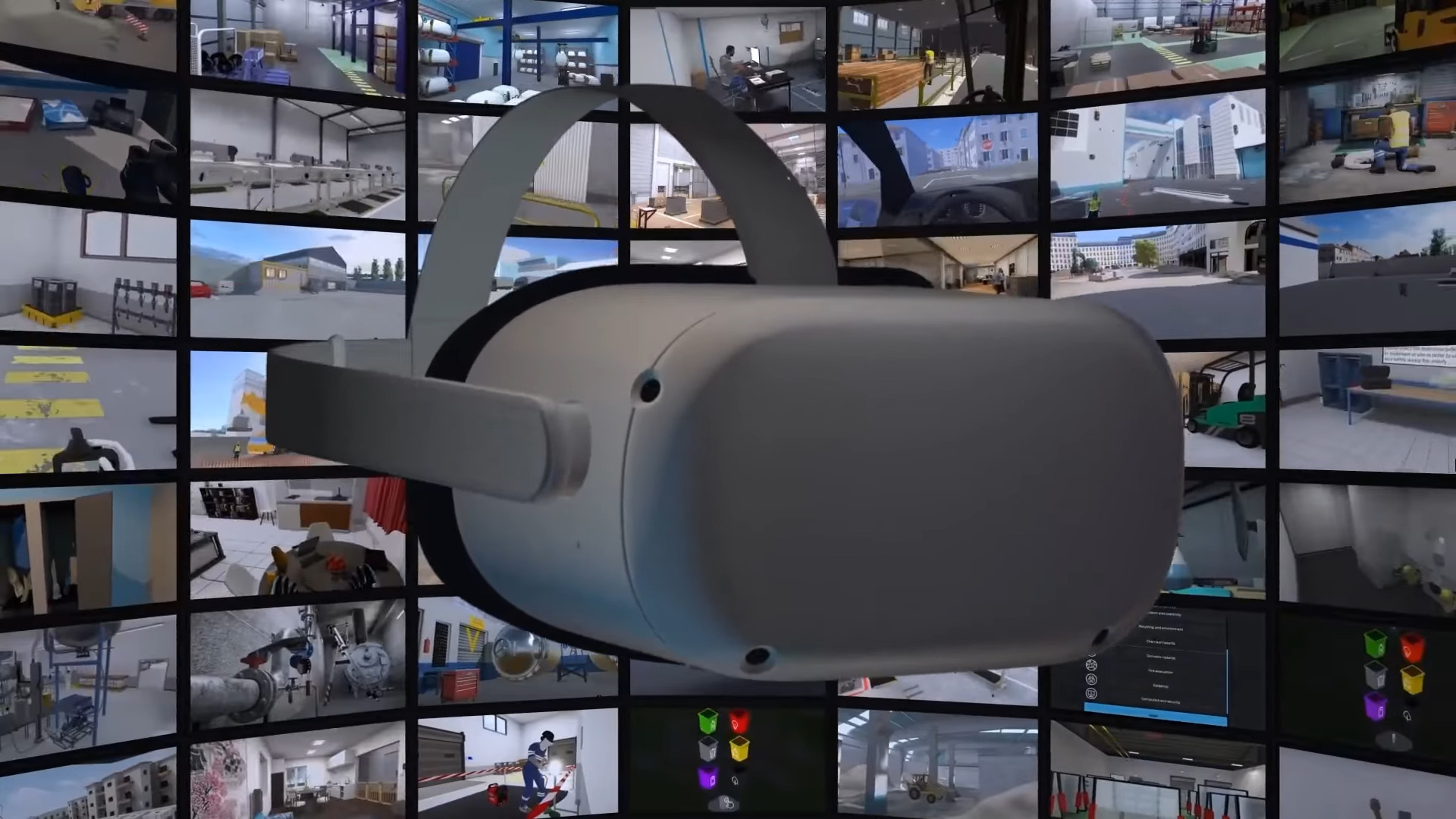
Virtual reality with safety briefings can truly transform training sessions into interactive and immersive tools. Imagine your employees finding themselves in simulated situations very close to their daily work environment. It's both engaging and educational.
Adapting Training to Different Skill Levels and Job Positions
Ensure that the training is adapted to the varied skills of the employees.Each position should receive particular attention to ensure that every employee benefits from adequate and relevant training.
Involving Employees in the Process
Encouraging Active Employee Participation
Employee engagement is fundamental for the effective implementation of safety measures. Encourage their active participation with safety day events or regular workshops where everyone can share their ideas and concerns.
Creating Safety Committees or Working Groups
Involve employees by creating safety committees or dedicated working groups. These teams can propose relevant solutions and actively participate in risk prevention.
Collecting Feedback and Suggestions from Employees to Improve Safety Initiatives
Establishing a culture of listening and collaboration is crucial. Regularly solicit suggestions and feedback from employees to adapt and improve safety initiatives. Direct feedback is often the most relevant.
Using Innovative Tools and Techniques
Virtual Reality and Interactive Simulations
Technological tools like virtual reality offerimmersive possibilities for training employees. These simulations can safely replicate dangerous work situations, allowing participants to practice without risk.
Serious Games to Engage and Motivate
Serious games are an excellent way to motivate and engage employees. They allow learning through play, making training more fun and dynamic.
Practical Workshops and Scenario-Based Exercises
Organize practical workshops and scenario-based exercises. These methods allow employees to confront real scenariosand better understand the risks and preventive measures to adopt.
Monitoring and Evaluating the Impact of Actions
Setting Up KPIs to Measure Progress
To evaluate the effectiveness of actions taken, it is essential to define clear KPIs. These indicators allow for tracking progress and adjusting strategies accordingly.
Regular Evaluation of Employee Skills and Knowledge
Regular evaluation of skills and knowledge is crucial. Plan refresher sessions and ensure employees are always aware of best safety practices.
Analyzing Incident Statistics and Adjusting Programs Accordingly
Analyze incident statistics to identify trends and adjust safety programs accordingly. This allows for proactive preventionand minimizing workplace accidents.
Promoting a Continuous Safety Culture
Regular Communication on Safety Initiatives and Results
Maintain regular communication about safety initiatives and results. Regularly share successes and improvements, reinforcing team commitment.
Recognition and Reward of Good Practices and Safe Behaviors
Highlight good practices and safe behaviors through recognition programs. Rewarding exemplary employees contributes to their motivation and commitment to workplace safety.
Strengthening Responsibility and Engagement at All Organizational Levels
Safety should be a shared responsibility at all organizational levels. Encourage every member of the company to actively engage in safety and take initiatives to prevent risks.
Adopting Immersive Tools for More Engaging Training with Immersive Factory
To effectively promote workplace safety, consider adopting immersive tools like those offered by Immersive Factory. Their solutions create realistic virtual environments for employee training, making learning both interesting and practical. By integrating these innovative technologies, you can significantly improve the quality of your training and participant engagement.

Geschrieben von Aurélie Tavernier
Marketing and Communications Manager at Immersive Factory
She became interested in raising awareness of health and safety at work, convinced that an approach tailored to employees can transform the safety culture and reinforce shared vigilance. Her ambition: to encourage all companies, whatever their size, to invest actively in health and safety prevention for the well-being of their employees.
Teilen
Das könnte Sie auch interessieren
ISO 45001 Standard and HSE Audits: How Virtual Reality Secures Your Traceability
Prepare for your occupational health and safety audits with virtual reality. Discover how VR ensures the traceability of your HSE training.
From Passive Compliance to On-Site Engagement: Why Virtual Simulation Permanently Shifts Safety Behaviors
Discover how VR shifts safety culture in industrial workplaces. Explore error-based learning, emotional risk awareness, and interactive safety talks.
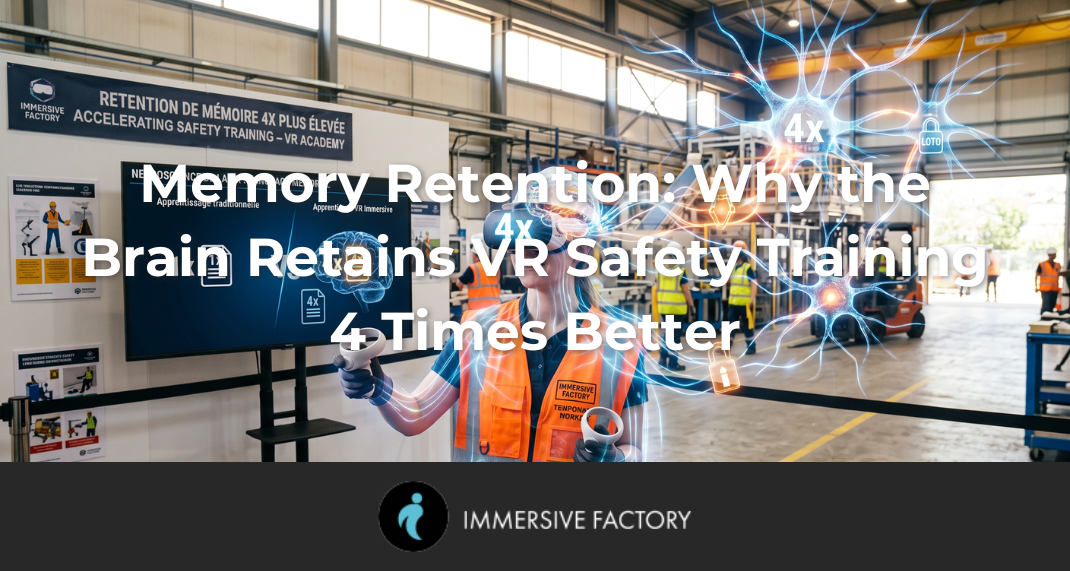
Memory Retention: Why the Brain Retains VR Safety Training 4 Times Better
Discover the neuroscience behind virtual reality: why memory retention and experiential learning make VR safety training up to 4 times more effective.