How to Effectively Reduce Risks? Example of a Prevention Action in a Company
How to Effectively Reduce Risks? Example of a Prevention Action in a Company
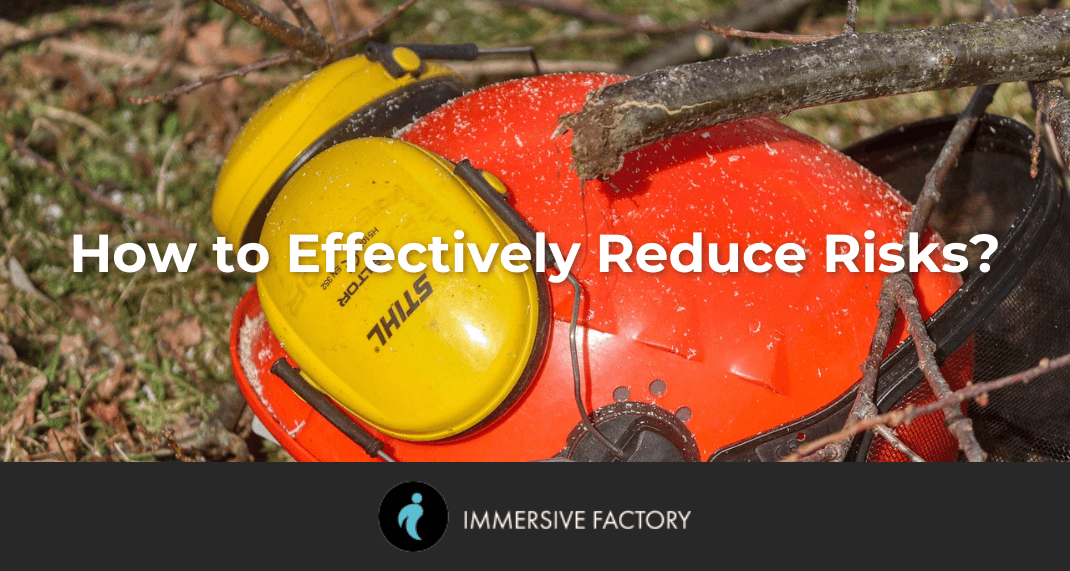
Discover an example of a prevention action in a company.
Risk prevention in the workplace should be a priority for any company that values its employees' well-being. It is the key to enhancing team performance. In France, the Health Insurance system reports more than 600,000 workplace accidents per year. These incidents lead to significant financial costs due to sick leaves, compensation, and medical expenses. Moreover, they demotivate employees and lower their confidence, negatively impacting productivity. So, how can risks be effectively reduced? Here is an example of a prevention action in a company.
Identifying Risks: The First Step to an Effective Prevention Strategy
To reduce workplace accidents, the first step is to identify occupational risks. These risks can be categorized as follows:
- Physical risks: falls, musculoskeletal disorders, etc.
- Chemical risks: exposure to hazardous substances.
- Psychosocial risks: violence, harassment, etc.
- Biological risks: exposure to infectious agents.
Several tools and methods can be used to identify these risks, such as on-site observations, safety audits, employee surveys, and past incident analysis. It is also recommended to conduct safety meetings to inspect the workplace.
Concrete Examples of Hazard Identification
In a production workshop, potential risks include loud machine noises, handling heavy loads, and exposure to chemicals. On a construction site, the main hazards include falls from heights, collisions, collapses, and flying debris. Regardless of the industry, developing an effective prevention plan is crucial to anticipating risks.
Implementing Effective Prevention Actions
Employee Training and Awareness Programs
Employee training is a crucial example of a prevention action in a company. By educating workers on best practices, companies can instill lasting behavioral changes. Training also informs employees about risks and reinforces safety rules and procedures, helping them identify and avoid hazards.
Training topics can include:
- Road safety
- Fire safety
- Emergency procedures
- First aid
- Proper use of personal protective equipment (PPE)
- Handling hazardous substances
Personal and Collective Protective Equipment
According to labor laws, employers must provide Personal Protective Equipment (PPE) such as gloves, helmets, safety suits, and protective shoes. They must also install collective protection systems, such as toxic vapor extraction systems, fire extinguishers, and guardrails. All protective equipment must be regularly checked and maintained to ensure proper functioning.
Workplace Improvement and Ergonomics
Another example of a prevention action in a company is improving working conditions and ergonomics. This involves adapting the work environment to employees’ needs, such as:
- Providing ergonomic chairs and desks to prevent musculoskeletal disorders (MSDs).
- Organizing workspaces efficiently.
- Reducing noise levels.
- Improving air quality to minimize stress.
Successful Prevention Actions in Companies
Virtual Reality-Based Training Programs
Training becomes more effective when conducted using virtual reality (VR). This technology recreates real-world scenarios and makes learning more engaging and interactive.
For example, on Immersive Factory, you can choose from a wide range of immersive training solutions that allow employees to experience hazardous situations in a virtual environment. This helps them develop quick reflexes and adopt the right safety behaviors.
Risk Scenario Simulations to Train Employees
To effectively prepare employees for hazards, companies should organize emergency situation simulations, such as fire drills or chemical spill response exercises.
These exercises help:✅ Test employees' reactions in real-time.✅ Evaluate the effectiveness of emergency protocols.✅ Enhance team cohesion and improve communication under stress.
The Role of Management and Employee Engagement
Managers and HR professionals play a key role in promoting workplace safety. They must:
- Communicate essential safety messages and ensure that prevention measures are properly implemented.
- Encourage employees to actively participate in identifying risks and reporting hazards.
Employee engagement in safety initiatives strengthens prevention culture. Workers feel more valued and responsible, which enhances team morale and motivation.
To keep employees engaged in safety awareness, companies should implement:📢 Effective communication campaigns📌 Posters, safety videos, flyers, and newsletters
Creating a Safer Workplace with Immersive Factory Training Programs
Virtual reality training is a practical example of a prevention action in a company. To implement it, consider Immersive Factory. Our goal is to maximize workplace safety and employee well-being through interactive and immersive workshops.We also offer customized training programs tailored to your industry and specific needs.
By combining our VR training solutions with high-quality protective equipment and improved working conditions, you can significantly reduce workplace accidents and foster a safer and healthier work environment for your employees.

Scritto da Aurélie Tavernier
Responsabile Marketing e Comunicazione presso Immersive Factory.
Appassionata di sensibilizzazione alla salute e sicurezza sul lavoro, convinta che un approccio adattato ai collaboratori possa trasformare la cultura della sicurezza e rafforzare la vigilanza condivisa. Il suo obiettivo: incoraggiare tutte le imprese, qualunque sia la loro dimensione, a impegnarsi attivamente nella prevenzione sanitaria e di sicurezza per il bene dei loro dipendenti.