Optimizing Risk Hunts in Factories for Enhanced Safety
Optimizing Risk Hunts in Factories for Enhanced Safety
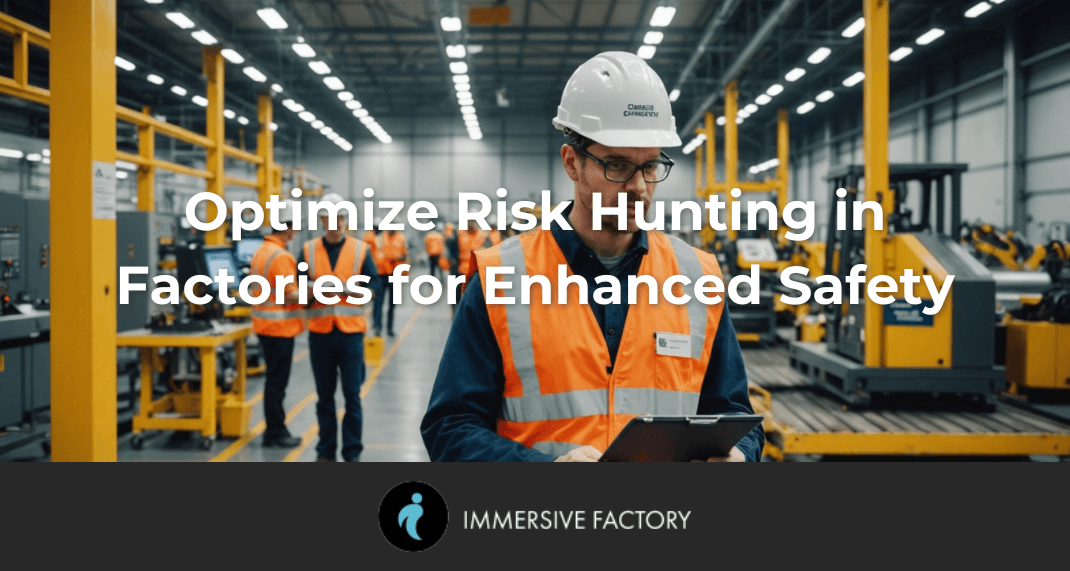
Optimizing Risk Hunts in Factories.
The risk hunt in factories is a critical process for ensuring worker safety and maintaining the continuity of industrial operations. In environments where hazards are ever-present, identifying and proactively managing risks not only helps prevent accidents but also enhances productivity and process quality.
Understanding the Importance of Risk Hunts in Industrial Settings
Anticipating to Protect Better
A risk hunt in factories relies on a proactive approach aimed at anticipating potential hazards before they turn into incidents. Unlike reactive management, which intervenes after an accident occurs, this approach allows the implementation of tailored preventive measures. By identifying risks early, companies can avoid high costs associated with accidents, such as compensations, production downtime, and material losses. Moreover, proactive identification boosts employees’ confidence in their work environment, fostering a climate of safety and security.
Direct Impact on Safety and Performance
Effective risk management directly influences both the safety and productivity of the factory. By reducing the number of accidents and incidents, companies minimize unplanned work stoppages and the costs associated with repairs and compensations. Additionally, a safe work environment boosts employee morale and strengthens their commitment, leading to improved overall performance and increased productivity. Thus, industrial risk hunts contribute to creating a favorable framework for growth and competitiveness.
Effective Methods for Identifying Risks in Factories
Regular Audits and Systematic Inspections
Regular audits and systematic inspections are fundamental tools in the risk hunt. These methods review all processes and equipment to identify weak points and verify compliance with safety standards. Consistent audits ensure continuous monitoring of working conditions and promote the constant improvement of safety practices. For example, regular inspections of machinery can prevent major malfunctions that could lead to serious accidents.
Adoption of Specialized Digital Technologies
With the rise of digital technologies, risk hunts in factories now benefit from specialized software that facilitates risk identification and management. These tools provide advanced features such as risk mapping, predictive analysis, and real-time tracking of corrective measures. Integrating these technological solutions enhances the precision and effectiveness of preventive efforts. Additionally, digital tools centralize risk-related data, simplifying analysis and enabling informed decision-making.
Engaging Teams in the Prevention Process
Awareness and Continuous Training
Team involvement is crucial for a successful risk hunt. Training and raising awareness among employees play a key role in this process. By educating personnel on safety best practices and informing them about risks specific to their work environment, companies foster collective awareness and heightened vigilance. Regular training programs also help keep employees' knowledge up to date and prepare them to handle emergency situations. For example, awareness workshops on the correct use of personal protective equipment (PPE) can significantly reduce accidents caused by improper usage. Additionally, annual Safety Days, like those offered by Immersive Factory, provide an important opportunity to gather teams, discuss progress made, and identify emerging risk areas.
Cultivating a Shared Safety Culture
Developing a shared safety culture is fundamental for sustaining prevention efforts. This involves promoting safety values within the organization, encouraging open communication about risks, and recognizing individual safety initiatives. A strong culture motivates every team member to adopt safe behaviors independently. By fostering an environment of trust and collaboration, companies enhance their ability to identify and manage risks effectively and collectively. For example, holding regular safety-focused meetings allows employees to openly share concerns and suggestions.
Prioritizing and Evaluating Identified Risks
Establishing Clear Prioritization Criteria
Once risks are identified, it is crucial to prioritize them based on their severity and likelihood of occurrence. Prioritization criteria can include potential impacts on employee health, financial costs, and the frequency of similar incidents in the past. This ranking allows companies to focus resources on the most critical risks and ensure optimal management of safety priorities. By prioritizing risks, organizations can allocate their efforts and resources more efficiently, maximizing the benefits of the risk hunt.
Analyzing Potential Consequences
Assessing the potential consequences of identified risks helps better understand their scope and implications. This analysis includes examining possible damages, whether material, human, or environmental. By evaluating repercussions, companies can determine the most appropriate measures to mitigate each risk. This step is essential for developing tailored risk management strategies and ensuring that actions taken effectively address the identified challenges. For example, evaluating the consequences of a chemical spill allows the establishment of specific containment and decontamination procedures.
Developing and Implementing Action Plans
Defining SMART Corrective and Preventive Measures
Effective action plans rely on clearly defined corrective and preventive measures. Corrective actions address already identified risks, while preventive measures aim to prevent their occurrence. These actions should be Specific, Measurable, Achievable, Realistic, and Time-bound (SMART) to ensure their effectiveness. By setting clear objectives and establishing concrete steps, companies can successfully implement prevention and correction measures. For example, replacing defective equipment with safer models is a critical corrective action.
Ensuring Rigorous Monitoring of Actions
Monitoring and evaluating the effectiveness of implemented actions are essential for continuous improvement of safety. This involves measuring results, identifying gaps relative to set objectives, and adjusting strategies accordingly. Rigorous follow-up maintains high safety standards and adapts to evolving working conditions. Regularly assessing the performance of preventive measures allows companies to identify areas requiring adjustments and optimize their risk hunt approach. For instance, analyzing incident statistics after implementing a new safety procedure verifies its effectiveness and identifies necessary improvements.
Towards a Safer Future
By optimizing their safety workshops, companies not only comply with legal obligations but also create a safer and more productive work environment. Through a proactive approach and active team involvement in prevention efforts, factories can anticipate and effectively manage potential hazards. The integration of specialized digital tools and the development of a shared safety culture—such as those provided by Immersive Factory—enhance the company’s resilience to unexpected events. Additionally, prioritizing risks and continuously evaluating implemented measures ensure constant adaptation to technological and regulatory changes.
Investing in safety training today guarantees not only the protection of employees and assets but also the long-term sustainability and competitiveness of the company. Effective risk management is a strategic lever for achieving operational excellence and ensuring the safety of everyone in the factory.
Innovative Solutions from Immersive Factory
Immersive Factorystands out as an essential partner in industrial risk hunts, thanks to its advanced technological solutions. By integrating virtual and augmented reality, the platform offers immersive simulations that allow employees to train in safe and realistic environments. These interactive trainings facilitate the understanding of safety procedures and improve responsiveness to emergency situations.
Moreover, Immersive Factory provides predictive analysis tools and industrial process modeling, helping companies identify critical points and anticipate potential risks. By using these technologies, factories can not only enhance their teams' safety competencies but also optimize their prevention strategies.
The innovative approach of Immersive Factory helps establish a proactive safety culture, fostering a safer and more efficient work environment.

Written by Aurélie Tavernier
Marketing and Communications Manager at Immersive Factory.
She became interested in raising awareness of health and safety at work, convinced that an approach tailored to employees can transform the safety culture and reinforce shared vigilance. Her ambition: to encourage all companies, whatever their size, to invest actively in health and safety prevention for the well-being of their employees.