Article L4121-1 of the French Labor Code: Employer Obligations
Article L4121-1 of the French Labor Code: Employer Obligations

Article L4121-1 of the Labor Code: Employer Obligations and Safety.
Immersive Factory is revolutionizing practices in workplace health and safety. In response to the increasing demands of the Labor Code and the pressure created by workplace accidents, many companies are seeking to give real meaning to the implementation of legal obligations. Thanks to virtual reality and immersive tools, it is now possible to make occupational risk prevention more tangible, engaging, and dynamic. Don’t hesitate to learn more, particularly regarding the occupational health and safety obligations set out in the Labor Code.
The Key Impact of Virtual Reality on HSE Compliance
Safety culture is evolving: commitment is no longer limited to words written in a single document. The goal is to involve every employee—from the HSE manager to the newest hire—in organizing work in compliance with Article L4121-1, which sets a clear direction: ensuring both the physical and mental health and safety of workers. Immersive Factory, a driver of this change, guides high-tech companies toward bold compliance while transforming training methods.
Prevention has now become a central strategic concern. The question is no longer merely about meeting the letter of the law: how can these obligations become a powerful lever for operational excellence and employee motivation? Let’s dive into the core issues, where innovative tools meet legal requirements.
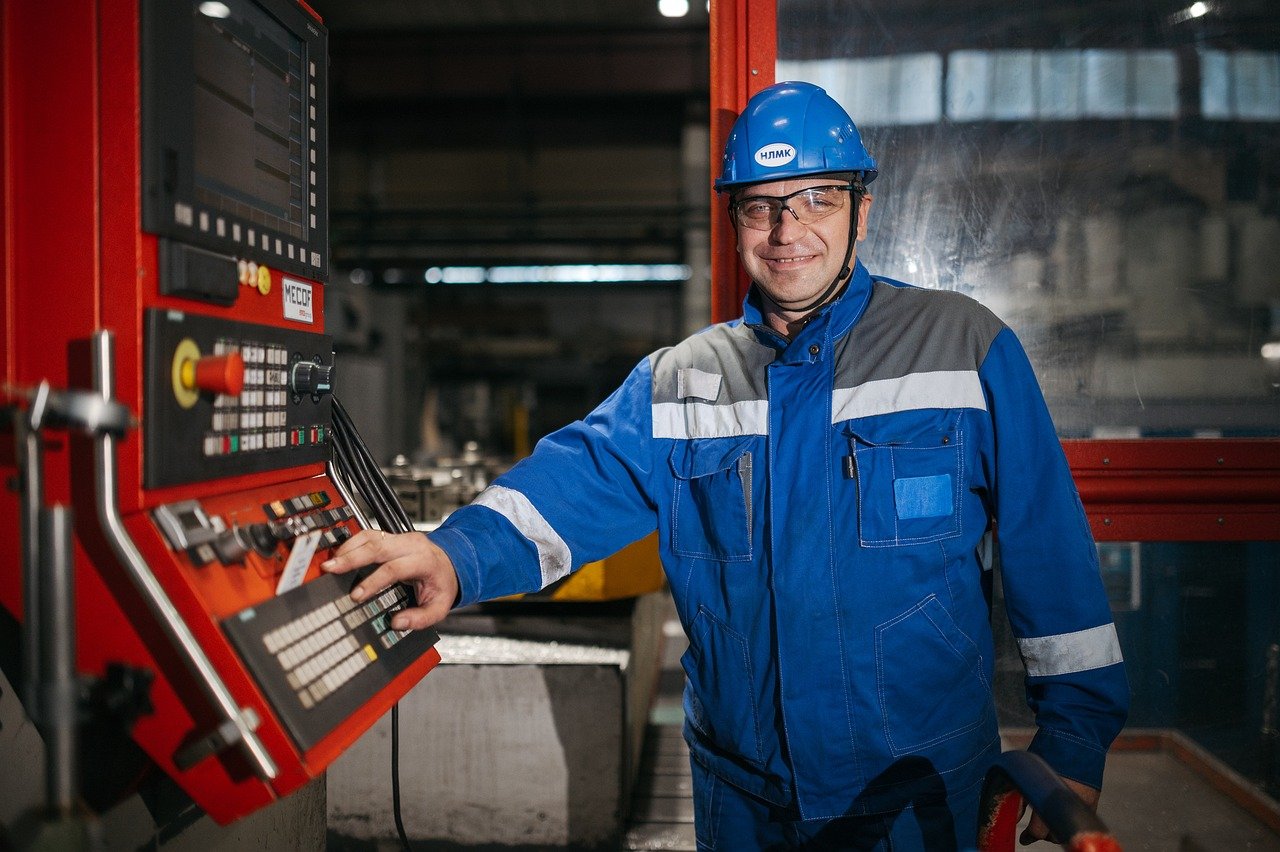
The Official Text of Article L4121-1 and Its Key Points
Article L4121-1 of the French Labor Code requires employers to take the necessary measures to guarantee the safety and protect the physical and mental health of their employees. This official text, available on Legifrance, highlights the importance of prevention, information, and training, as well as the proper organization of work. The key terms “necessary measures,” “safety,” and “physical and mental health” are critical for anyone seeking to comply with the law and avoid sanctions.
Essential Concepts to Remember
Employers must ensure worker safety: this involves identifying hazards and planning concrete solutions to control them. Physical and mental health—often treated separately—are now brought together under the same legal framework, meaning a comprehensive approach to occupational risks. Prevention obligations go beyond mere intentions, incorporating the concept of results in the event of a workplace accident or occupational illness.
There is a distinction between an obligation of result, where the employer must prove that no harm is possible, and an obligation of means, which concerns the effective implementation of preventive actions. Risk assessments are mandatory, as is continuous documentation within the Single Risk Assessment Document (DUER). These general principles of prevention form a solid foundation to ensure that every company decision not only complies with the law but truly protects people.
The Legal Framework and Its Links to Other Key Articles
Article L4121-1 works in conjunction with Articles L4121-2 (general principles of prevention), L4121-3 (adaptation and safety training), and R4121-1 (Single Risk Assessment Document requirements). Each addresses a different aspect: general prevention principles cover methodology, adaptation drives constant updates to procedures, while the DUER bridges the gap between theory and practice. Together, these texts create a chain of responsibility—from top management to the most exposed worker—encouraging consideration of every new change or circumstance.
Practical Employer Obligations Under Article L4121-1
To comply with the Labor Code and Article L4121-1, employers must:
Assess occupational risks,
Draft and update the Single Risk Assessment Document (DUER),
Organize prevention actions and safety training,
Establish ready-to-implement emergency procedures,
Adapt workstations, equipment, and methods to the actual conditions faced by each employee.
These obligations apply to everyone—from office workers to technicians exposed to chemicals or noise. Achieving a true “safety of result” requires rigorous monitoring during any change or restart of activities.
Roles and Responsibilities Within the Company
The employer (business owner) holds full responsibility for implementing workplace health measures. However, HR managers, the Social and Economic Committee (CSE), occupational physicians, and employees themselves share specific obligations related to information, alert reporting, and participation in preventive actions. Social dialogue and consultations with employee representatives help tailor work organization and drive continuous improvement.
In practice, each role must be clearly defined:
- The employer sets the strategy,
- HR ensures compliance monitoring,
- Operational teams implement instructions,
- Employees follow protective measures for their physical and mental health.
When exceptional situations arise, the labor inspector may intervene to review existing systems or recommend procedural updates.
Monitoring, Traceability, and Action Updates
Compliance with Article L4121-1 does not end with the initial risk assessment. Daily monitoring, traceability, and systematic updates to the DUER are essential to maintaining workplace safety. Any job modification, introduction of new equipment, or organization of a high-risk activity requires updated documentation and appropriate instructions.
Maintaining records, conducting periodic reviews, and learning from accidents provide evidence of genuine employer and employee commitment. These practices facilitate incident reporting, quick responses to workplace accidents or occupational illnesses, and strengthen the company’s prevention culture. Keeping documents updated anticipates labor inspections and protects the company’s reputation.
Sanctions, Inspections, and Recommendations for Long-Term Compliance
Failure to comply with health and safety measures exposes employers to severe administrative and financial penalties. Employer liability can be both civil and criminal: any workplace accident or occupational illness may result in fines or even legal action for gross negligence before the Court of Cassation. Three key words to remember: diligence, evidence, anticipation.
Case law shows that protecting worker safety allows no compromise, especially when risk assessments reveal serious or repeated exposures without corrective measures. Common in the high-tech industry, updating emergency protocols also includes measures to prevent workplace harassment and reduce vibration or noise hazards.
Labor Inspections and Incident Management
Labor inspectors verify compliance by reviewing the DUER, training certificates, onboarding protocols, and incident registers. An unannounced site visit typically involves interviews and an on-the-ground assessment of working conditions, from noise levels to personal protective equipment. When an employee reports a hazard, the investigation relies on documentation and organizational transparency.
Discussions with inspectors can provide a reasonable deadline for corrective action if non-compliance is found, but the obligation to ensure workplace safety remains immediate. Anticipating inspections, keeping the DUER updated, and maintaining active monitoring guarantee long-term compliance with Labor Code requirements. Every poorly documented file can have serious consequences for both the company and its workforce.
High-Tech Industry Best Practices Checklist
- DUER Updates: Annually or after major changes
- Safety Training: At hiring and annually thereafter
- Workstation & Equipment Inspections: Quarterly
A Shared Ambition: Progress, Safety, and Innovation at Immersive Factory
Ensuring the safety and protecting the health of every employee is a daily challenge in a rapidly evolving technological environment. Immersive Factory demonstrates that investing in immersive experiences is not just about meeting the general prevention principles of the Labor Code—it’s about inspiring a profound transformation in professional practices.And you—how is your company approaching the new era of occupational risk prevention with its employees?

Written by Aurélie Tavernier
Marketing and Communications Manager at Immersive Factory
She became interested in raising awareness of health and safety at work, convinced that an approach tailored to employees can transform the safety culture and reinforce shared vigilance. Her ambition: to encourage all companies, whatever their size, to invest actively in health and safety prevention for the well-being of their employees.
Share
Related articles
ISO 45001 Standard and HSE Audits: How Virtual Reality Secures Your Traceability
Prepare for your occupational health and safety audits with virtual reality. Discover how VR ensures the traceability of your HSE training.
From Passive Compliance to On-Site Engagement: Why Virtual Simulation Permanently Shifts Safety Behaviors
Discover how VR shifts safety culture in industrial workplaces. Explore error-based learning, emotional risk awareness, and interactive safety talks.
Memory Retention: Why the Brain Retains VR Safety Training 4 Times Better
Discover the neuroscience behind virtual reality: why memory retention and experiential learning make VR safety training up to 4 times more effective.