VR Ideas for Your Team
VR Ideas for Your Team
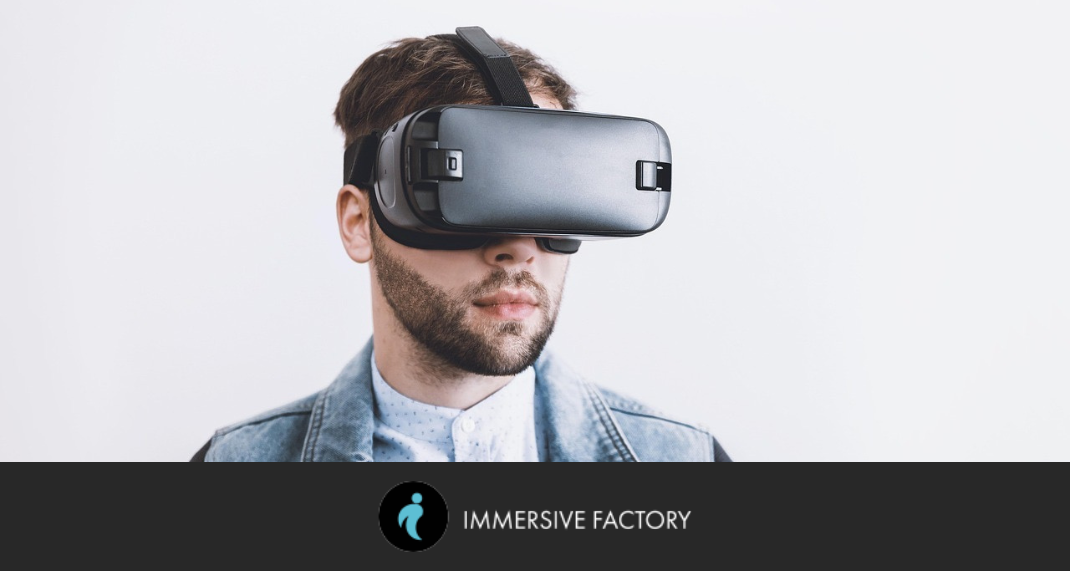
VR Activity: An Original Idea to Train Your Team.
Ensuring new experiences, virtual reality is now used in the professional field. Indeed, this technology proves effective in training team members. Easy to use and implement, it guarantees better results compared to traditional training. So, what does a VR activity entail? Why prioritize it within a company? Answers in this guide.
Definition of a VR Activity
A VR activity, orvirtual reality activity, is a true technological innovation. It's based on projecting a fictional dimension through a VR headset, giving the user the illusion of being in another universe. With the setting, they will feel like they'reexperiencing something realistic. This is why VR training is becoming increasingly popular in organizations. During the activity, it is possible to interact with the 3D environment and even manipulate it. Note that virtual reality is different from a video game. You aren't just playing on a screen; you're completely immersed in another world. This technology allows for designing various scenarios, making for a fun activity that will appeal to all your employees.
How to Choose a VR Activity for Your Team?
VR offers many possibilities for companies. However, it's essential to select the one best suited to your needs and goals.
An Engaging Activity
VR is mainly used on safety days to identify threats within a workspace and help employees act quickly. It allows you to create a scene where various anomalies are inserted. Their role will be to spot andcorrect them, using the tools available to them.
A Fun Activity
One of the main benefits of VR is its innovative and fun aspect. It ensures better memory retention. To help employees remember information more easily, it's advised to offer them a fun and entertaining activity. To boost their motivation, you could, for example, start a treasure hunt. The first participant to find the treasure will be rewarded. Moreover, VR lets employeesattend eventswithout traveling and access exclusive content.
An Activity to Enhance Skills
Virtual reality is an effective tool for development and learning. It will help your employees improve their skills. VR activities can include programs of mentoring, training, and coaching. It's also possible to place employees in an environment where they can perform tasks similar to those in the real world, allowing them to gain knowledge and experience without any risk.
An Immersive Activity
The immersive experience blurs the lines between the real and fictional worlds. It's usually offered to a company's customers to test new products. However, it can also be used in employee training. Thanks to augmented reality, they can interact with elements in the parallel universe and modify them as they wish.
When to Use a VR Activity?
VR can serve various purposes:
For Onboarding a New Employee
Virtual reality is an ideal means to introduce company culture to new hires. It will be instrumental in introducing them to the rest of your team. Onboarding is essential; if you don't explain your company's operations and mission clearly to your new team members, they might feel left out and lost. It's also the time to convey the importance of their role and their place within the organization.
For Skill Development
VR helpsenhance employees' skills more effectively. For instance, aviators can learn to fly new virtual crafts. Salespeople can practice interactions with customers to anticipate all possible scenarios and ensure customer satisfaction.
For Team-building
Team-building is a special moment for all company stakeholders. With virtual reality, it's significantly enhanced, being fun and original. Even the least active members will be enticed by the game's quality. VR team-building activities are always enthusiastically received, fostering teamworkand cooperation. Furthermore, VR activities are versatile and can be used on various occasions like seminars, evening events, and team management.
Virtual Reality Equipment for a Successful VR Activity
More and more companies are offering VR activities to their teams, convinced that it's the most innovative tool for training. Here are all the essential virtual reality tools:
The VR Headset
Regardless of the planned activity, the fundamental equipment remains the VR headset. It's the accessory that immerses the user into a fictional world. Note that not all headset models serve the same purpose. Some are for gaming, while others are designed for watching 360° videos. They can be wired or standalone.
The Computer
A computeris required for virtual animation as it stores the applications necessary to design parallel universes. The more powerful the computer, the more potent the headsets, optimizing user experience further.
Smartphone
You can access a virtual environment from a smartphone. Many apps are available on Apple Store and Play Store. However, it's essential to check their effectiveness before downloading.
Gaming Consoles
The principle of using gaming consoles is the same as using a computer in terms of VR. You simply need to pick the equipment that suits you best.
Sensation Simulator
The sensation simulator is also required for engaging activities. It will give employees the real impression that they're in another world, experiencing events as if they were real.
Reach Out to Immersive Factory for VR Activity Ideas and Training
We offer HSE training in virtual reality for businesses. We can tailor programs to your industry and resources. Our offerings are innovative, dynamic, and of high quality. Our team of experts, consisting of engineers, technical advisors, and researchers, will guide and support you throughout your project. We'll also train your team in using our VR headsets, essential for an immersive experience. To ensure the success of your training, we'll advise on exercise selection and subscription packages.

Written by Aurélie Tavernier
Marketing and Communications Manager at Immersive Factory
She became interested in raising awareness of health and safety at work, convinced that an approach tailored to employees can transform the safety culture and reinforce shared vigilance. Her ambition: to encourage all companies, whatever their size, to invest actively in health and safety prevention for the well-being of their employees.
Share
Related articles
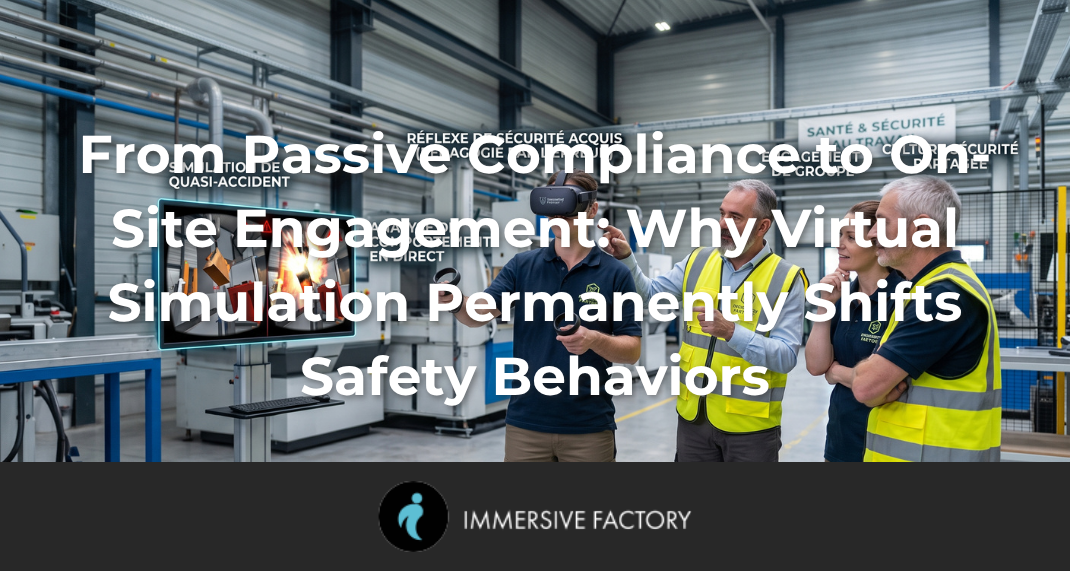
From Passive Compliance to On-Site Engagement: Why Virtual Simulation Permanently Shifts Safety Behaviors
Discover how VR shifts safety culture in industrial workplaces. Explore error-based learning, emotional risk awareness, and interactive safety talks.
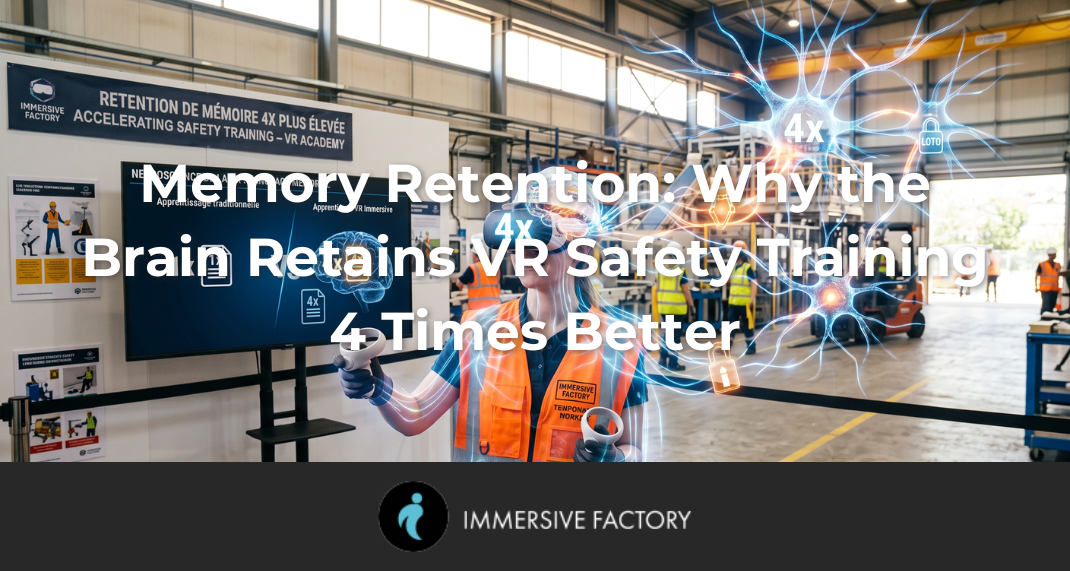
Memory Retention: Why the Brain Retains VR Safety Training 4 Times Better
Discover the neuroscience behind virtual reality: why memory retention and experiential learning make VR safety training up to 4 times more effective.
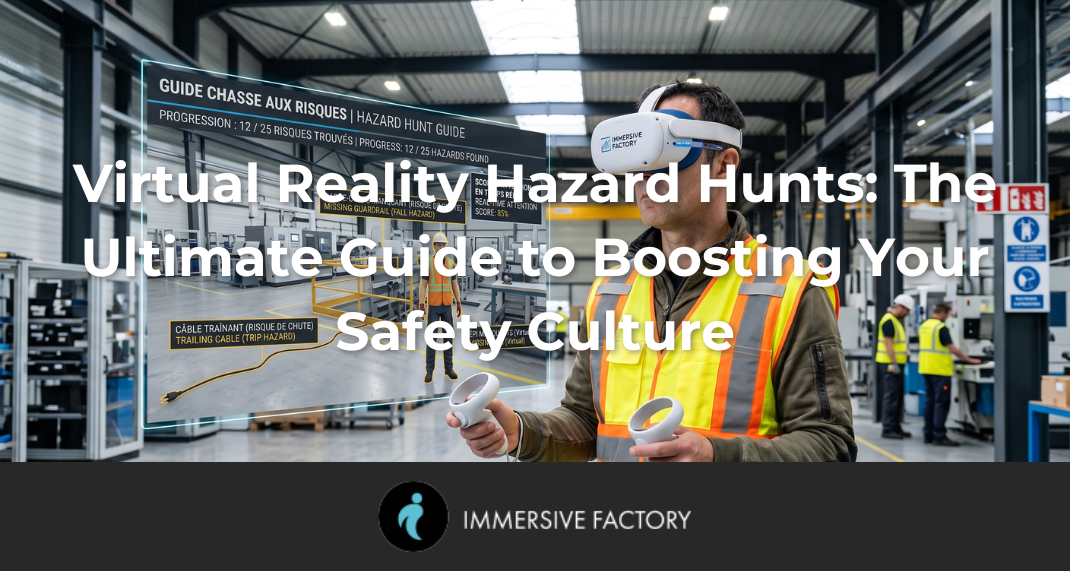
Virtual Reality Hazard Hunts: The Ultimate Guide to Boosting Your Safety Culture
The "Hazard Hunt" is a staple in HSE training. The goal is straightforward: to sharpen employees' critical eyes so they can proactively identify anomalies and dangerous situations in their work environment. It is the absolute f...