The Real Cost of Workplace Accidents for Employers: An Economic and Preventive Analysis
The Real Cost of Workplace Accidents for Employers: An Economic and Preventive Analysis
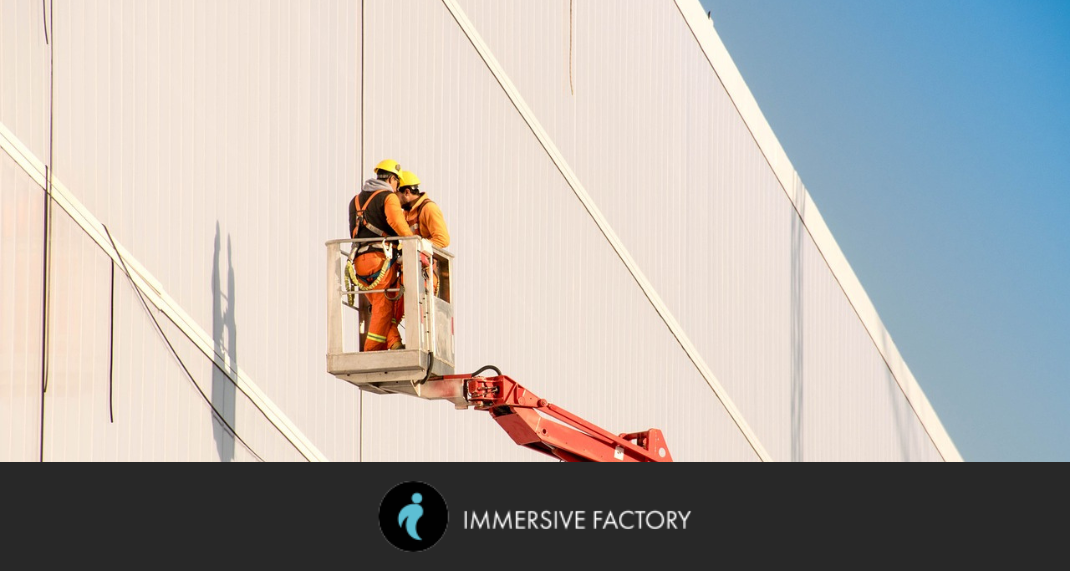
Everything You Need to Know About the Cost of a Workplace Accident for an Employer.
A good understanding of the factors contributing to the costs of workplace accidents is essential to minimize expenses associated with injuries and to implement improved safety practices. Additionally, proactive safety management promotes a safe working environment for employees. To raise their awareness of risks in the workplace, opt for virtual reality training. This teaching method guarantees better results compared to traditional training methods. In this guide, discover everything you need to know about the cost of a workplace accident for an employer and how to control it through training.
Direct Costs of Workplace Accidents
Immediate Costs
The immediate costs of a workplace accident are directly perceivable in the short term for the employer. They include expenses related to first aid, emergency medical care, daily allowances, temporary staff replacements, and repairs of damaged equipment. The health insurance contribution rate, potential criminal and civil penalties, and the prevention fund are also part of these costs. Immediate costs can be addressed during a digital learning session on safety.
Quantified Examples
The cost of a workplace accident for an employer varies according to the severity of the accident and the injuries of the victim. Here are some quantified examples to illustrate the direct financial impact:
- Emergency medical care: can amount to several thousand euros depending on the injuries;
- Daily allowances: represent 80% of the daily salary and range from a few tens to several hundred euros per day of absence;
- Equipment repairs: depending on the damage caused, the average cost of repairs ranges from a few hundred to several thousand euros;
- Personnel replacement: in case of work stoppage, the cost of temporary hiring varies from a few thousand to several thousand euros.
These quantified examples demonstrate the importance of risk prevention in companies. Whether you work in the petrochemical industry, the food industry, or another field, set up regular safety training sessions.
Indirect and Long-Term Costs
Analysis of Less Obvious Repercussions
Regardless of the pricing method used to calculate the cost of a workplace accident for an employer, it is important to consider the less obvious repercussions. Although they are more difficult to quantify, they can have a significant impact on businesses.
Productivity Loss
The absence of the injured employee can lead to a decrease in productivity and additional workload for other employees. The risk of delaying company projects is also present.
Replacement Training
The costs related to training the replacement also need to be considered to ensure continuity of activities.
Increase in Insurance Premiums
Frequent workplace accidents can lead to a long-term increase in insurance premiums.
Administrative Costs
Additional administrative expenses can occur during the management of investigations, claims, and documentation related to the accident.
Company Reputation
Accidents and occupational diseases can harm the company's reputation, leading to a negative perception by clients, investors, and the public.
Case Study or Statistics to Highlight These Often Underestimated Costs
According to the French Health Insurance for Occupational Risks (AMRP), indirect costs represent a significant portion of the cost of a workplace accident for an employer. Indeed, they are estimated to be several times the amount of immediate or direct costs (3 to 5 times higher).
Here is a concrete case study to better illustrate indirect costs
For example, a workplace accident occurred in a manufacturing company. The total direct costs amounted to 10,000 euros (emergency medical care, equipment repairs, and daily allowances). This incident led to significant indirect costs:
- Productivity loss: 10,000 euros for a week of absence;
- Increase in annual insurance premiums: 5,000 euros;
- Administrative costs: 3,000 euros;
- Replacement training: 2,000 euros;
- Impact on the company's reputation leading to loss of clientele: 7,000 euros.
The workplace accident, therefore, generated indirect costs of 27,000 euros, more than double the direct costs. In total, the company spent 37,000 euros.
Impact on Reputation and Work Relations
Consequences of an Accident on the Company's Image and Employees' Trust
As previously stated, workplace accidents can affect the external perception of a company. Indeed, safety issues are generally perceived as signs of negligence, which can tarnish the company's image and harm its reputation in the eyes of the public and business partners. As a result, it might no longer attract new talents, as qualified professionals are less inclined to work for an entity with safety problems.
Moreover, if accidents occur frequently, employees may lose trust in the company. Not only will their daily morale be affected, but their motivation may also significantly decrease. Concern for safety can, therefore, lead to a decrease in productivity.
Importance of Safety Culture in the Perception of the Company
A strong safety culture plays a key role in the perception of the company. First, it demonstrates the employer's commitment to the health and safety of employees. This improves the trust of investors and positively influences business relationships. Moreover, a positive safety culture facilitates the search for new talents and strengthens the company's attractiveness in the job market. It also has a direct impact on employee morale, as they will feel supported, listened to, and safe. Finally, a well-established safety culture can improve productivity, especially as it reduces accidents and absences related to occupational diseases.
Prevention through Virtual Reality Training with Immersive Factory
Benefits of Virtual Reality Training in Preventing Accidents
Virtual reality training contributes to the prevention of workplace accidents. Indeed, it offers immersive simulation of professional environments, allowing employees to familiarize themselves with risks and learn to react effectively in emergency situations. Moreover, virtual reality ensures practical experience without exposing learners to real dangers, thus promoting safer learning.
Invest in Safety Training
Do you want to reduce the costs of workplace accidents? Invest in virtual reality safety training. Provide your employees with a secure work environment by setting up a quality learning program. Thanks to our customizable content, you will significantly reduce the risks of accidents and occupational diseases within your company. Moreover, you will build a strong safety culture.

Written by Aurélie Tavernier
Marketing and Communications Manager at Immersive Factory
She became interested in raising awareness of health and safety at work, convinced that an approach tailored to employees can transform the safety culture and reinforce shared vigilance. Her ambition: to encourage all companies, whatever their size, to invest actively in health and safety prevention for the well-being of their employees.
Share
Related articles
High-Risk Scenarios: 3 Critical Industrial Hazards You Can Finally Simulate with VR
Learn how VR enables safe, realistic simulation of major industrial hazards: Lockout/Tagout (LOTO), working at height, and confined space entry.
Occupational Accidents in Europe (2026): Beyond the Numbers, the Urgency to Act
What do 2026 European workplace accident stats really reveal? Immersive Factory analyzes the EUROGIP study & offers actionable VR safety solutions.
Heatwaves and Extreme Heat at Work: How Virtual Reality Helps Prevent Risks
As summer temperatures continue to soar year after year, extreme heatwaves are no longer exceptional events. For companies worldwide, managing thermal discomfort and high temperatures has become a critical annual health and saf...